
Best Betting Sites With Visa — A UK Licensing And Cost Breakdown For 2026
 Available in US
Wagering data verified against operator terms on the checked snapshot of 16 October 2026, with each operator’s Gambling Commission licence cross-checked against the Commission’s public register. Specific offer terms are stated as the operator’s own site names them and change often; a value printed below is the one the source page carried on the date above, and a bettor should re-check it before staking.
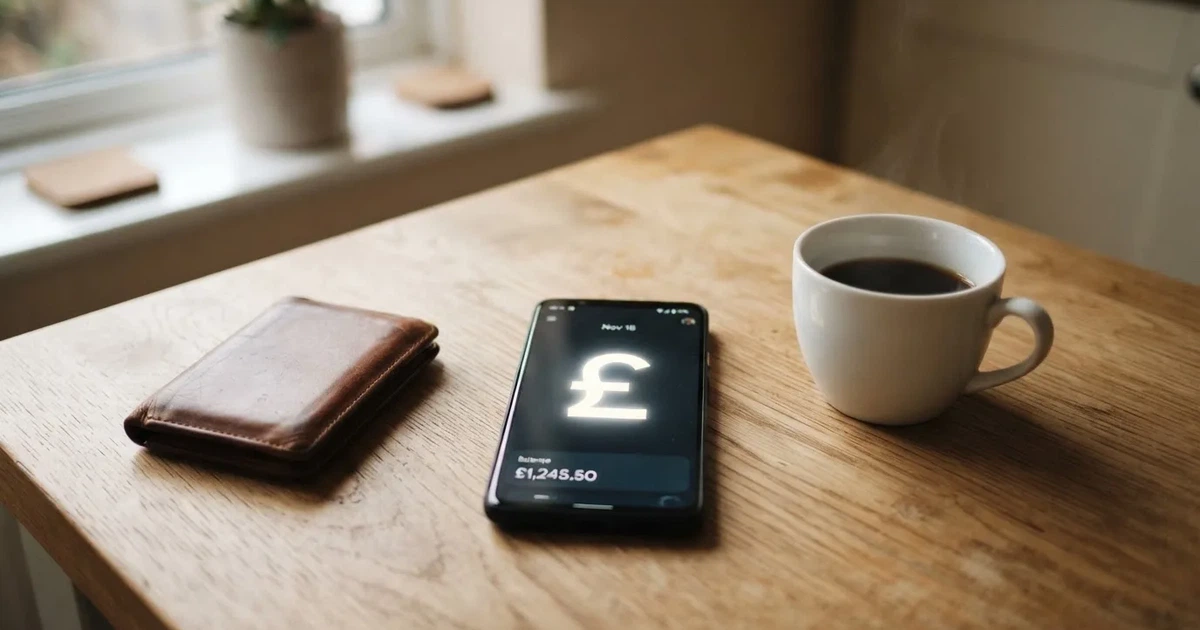
In Great Britain the word “best” hides a question. With credit cards banned for gambling since 14 April 2020, the Visa that pays for an accumulator tonight is debit Visa, the kind that draws straight from a current account and refuses to lend. The bookmakers listed below are the ones the Gambling Commission’s public register shows holding a remote general betting licence, the deposit and payout details come from each brand’s own help pages, and the rest of this piece is about the cost of moving money in and out — the fee the bank takes, the time the bookmaker takes, the value the welcome offer really returns once the wagering is done.
Data verified as of 27 October 2026 against operator terms and the Gambling Commission’s public register.
The Ten UK-Licensed Visa Bookmakers At A Glance
A shortlist of ten online bookmakers licensed to take bets in Great Britain, with the Visa terms each operator’s own site states and the Gambling Commission licence number that puts the brand on the public register. Every entry below describes what the operator publishes about debit-card deposits and withdrawals on the snapshot date; none of these are recommendations.

| Brand | Gambling Commission licence (account number, licence holder, licence category) | What the operator’s terms state on Visa deposits and withdrawals |
|---|---|---|
| Sky Bet | 67370 — SBG Sports Limited — remote general betting standard (real events) | New-customer offer: £30 in free bets after a £5 minimum deposit and a first bet of at least 5p at odds of 1/1 or greater; free bet tokens expire seven days after issue |
| Coral | 54743 — LC International Limited — remote general betting standard (real events), remote betting intermediary | New-customer offer: £40 in free bets on a £20 qualifying bet at minimum odds of 2.0; free bets issued and expire seven days after issue |
| Bet Ahoy | 100094 — Bet Ahoy Ltd — remote general betting standard (real events) | 10% Acca Bonus up to £1,000; Best Odds Guaranteed on UK and Irish racing up to £100; Double Result payout on UK and Irish racing |
| LiveScore Bet | 56859 — LiveScore Betting and Gaming (Gibraltar) Limited — remote general betting standard (real events) | Debit cards (Visa, Mastercard), Apple Pay, PayPal, Pay-by-Bank and Revolut Pay accepted |
| Midnite | 101839 — Midnite Limited — remote general betting standard (real events) | In-play events, acca builder, price boosts with maximum-stake limits; weekly rewards club and rapid payouts on the app from Dribble Media Limited |
| Fitzdares | 400 — IVZ Assure Limited — remote general betting standard (real events) | Apple Pay, Mastercard and Visa accepted; Visa withdrawals usually same-day, Mastercard up to 48 hours |
| Betboro | 44181 — Webmedia Development N.V. — remote general betting standard (real events) | 100% matched free bet up to £25 on a first wager of £5 to £25, three selections each at 3/5 or higher |
| Unibet | 45322 — Platinum Gaming Limited — remote general betting standard (real events) | New-customer offer: £40 in free bets on a £20 qualifying bet at minimum odds of 2.0; free bets expire within seven days |
| Betmaster | 65699 — BM Solutions GB Ltd — remote general betting standard (real events) | Visa, Mastercard, Maestro and V PAY accepted; safer-gambling tools include deposit and session limits, time-outs and self-exclusion |
| William Hill | 39225 — WHG (International) Limited — remote general betting standard (real events) | Debit-card deposit and withdrawal from £5; maximum deposit £99,000 and maximum withdrawal £33,000 per transaction; no fee on debit-card transactions |
A note on what the table cannot say: a debit-card deposit at any of these brands goes through the customer’s own bank, and a UK bank may itself apply a gambling transaction block (Barclays, for instance, lets its mobile-app users switch one on) so the deposit can still fail even where the operator accepts the card. It is also the case that the numbers above come from each operator’s help pages on the snapshot date; offers and payout windows are the parts of a bookmaker that move first, so re-check the terms before staking. Free bets at the brands above are issued as bet credits whose stake is usually not returned with a winning wager — the winnings are, the stake is not — and that single line is what makes a £30 free-bet token worth less than £30 in cash.
How The Credit-Card Ban Actually Works
The headline rule is short. Since 14 April 2020 the Gambling Commission’s Licence Conditions and Codes of Practice have banned any credit card being used for gambling in Great Britain — that includes a credit card funding an e-wallet that then pays the bookmaker, so the ban reaches around the obvious workaround. Debit cards and bank-based payments are not caught by it, which is the reason the Visa page a reader opens at Coral or William Hill is, almost without exception, a Visa Debit page.

Three corollaries matter at the cashier. First, identity is verified before the first deposit at a GB-licensed bookmaker, and the check has covered free bets and bonuses since 7 May 2019 — so the “bet before you register” pitch that used to be a feature of offshore sites is, in Britain, simply unavailable on the cashier that works. Second, the operator takes a payment method the bank is willing to send; a Barclays customer who has switched on the gambling transaction block in the Barclays mobile app will be declined at the bookmaker’s cashier, and the operator will see a generic “payment failed” rather than a clear reason. Third, since 30 August 2024 a financial vulnerability check applies once a customer’s deposits minus withdrawals cross £150 in a rolling 30 days, and the check runs against public records (bankruptcy, county court judgments) — it is not an income check and not a credit-search.
The cost that is the most surprising to read is the absence of cost. UK law changed in January 2018 to stop retailers — including online retailers — from surcharging customers for paying by card, so the Visa deposit at a GB bookmaker does not carry a card-acceptance fee. What it can carry is the bank’s own treatment: a few banks run gambling transactions through as cash-equivalent, which on a few accounts can attract a cash fee. The bookmaker does not charge; the bank sometimes does, and that is one to check with the card issuer rather than the operator.
What A Licence Number Actually Proves
A Gambling Commission account number is the test, not the marketing. The Commission’s public register lets a reader search by business name, trading name, account number or domain, and lists the licence categories each operator holds — for sports betting the relevant one is remote general betting standard (real events), with betting exchanges sitting under remote betting intermediary and pool betting under its own category. The remote general betting standard (virtual events) licence covers virtual markets, a different shelf.
The licence holder named on the register is the company the Commission regulates, and that company is sometimes a name the punter has never heard of. Coral is licensed to LC International Limited. Unibet UK is licensed to Platinum Gaming Limited, Gibraltar. Betboro’s licence holder is Webmedia Development N.V. Sky Bet sits under SBG Sports Limited. Several brands run under one licence — Ladbrokes and Coral both sit under LC International, Paddy Power and Betfair share theirs — so they are not separate licensed entities, and a page that treats them as competitors at the regulatory layer is reading the wrong picture. The licence holder is the legal address of any complaint, complaint to the Commission, or dispute-resolution referral, and that is why it sits on the register beside the trading name.
Two limits of the register. The Commission regulates the operator’s compliance with the LCCP, the social-responsibility code and the Remote Technical Standards; it does not regulate whether the operator’s price is fair, whether a market is generous, or whether the welcome offer is good value. A licence is a permission slip, not a quality mark, and a reader comparing ten licensed brands on price is comparing ten permissions. The other limit is geography. The Gambling Act 2005 covers Great Britain — England, Scotland and Wales. Northern Ireland sits under separate law; a GB-licensed bookmaker does not hold a Northern Irish licence automatically, and a Northern Irish customer has a narrower online market than a Bookmaker’s customer in Manchester.
Responsible Gambling, GAMSTOP And The Vulnerability Check
Three pieces of player-protection architecture sit underneath every GB-licensed cashier, and each has a real cost in time or in information that an offshore site does not ask for.
GAMSTOP is the multi-operator online self-exclusion scheme, free to use, and a mandatory licence condition for online operators since 31 March 2020. Self-exclusion can be set for six months, one year, five years, or five years with auto-renewal; after the minimum period has run, the exclusion stays in place for a further seven years unless the customer asks GAMSTOP to remove it. GAMSTOP covers online sites and apps; betting shops sit under a separate scheme. The point of the scheme is not the convenience of opting out from one brand but the impossibility of opting in to another while the exclusion runs — every GB-licensed online bookmaker is plugged in, and an excluded customer’s deposit will be refused at any of them.
The financial vulnerability check, in force from 30 August 2024, applies to remote betting once a customer’s deposits minus withdrawals exceed £150 in a rolling 30 days, with the threshold live since 28 February 2025. The check is a public-record one — bankruptcy, county court judgments, similar — and is not an affordability assessment; the Commission has signalled that fuller financial risk assessments are coming in a staged plan, with a Commission article of 7 July 2026 outlining the approach but no start date for the heavier checks. Until that next phase goes live, the £150 threshold is what governs the additional check, and the check itself does not, on its own, stop a deposit.
Deposit limits sit on the customer. The Remote Technical Standards require operators to offer a gross deposit limit on a fixed time frame; the first changes have applied since 31 October 2025, and a second phase was postponed to 30 September 2026 — whether that second phase is live is not established. The ceiling itself is not a state-set number; the operator must offer the customer a way to set their own ceiling, and the customer chooses the figure. Self-set limits can be lowered immediately and raised only after a cooling-off period the operator sets.
Help lines sit outside the operator. GamCare runs the National Gambling Helpline; GambleAware funds treatment and education; the NHS runs gambling clinics; Gamblers Anonymous runs meetings. The safer-gambling pages of a licensed operator link out to these services as a matter of licence condition, and a brand that does not link out is one to ask about.
Crypto, Anonymity And The British Position
Anonymity, at a GB-licensed bookmaker, is gone before the first pound goes in. Identity is verified before the first deposit — name, address, date of birth — so the question of “anonymous Visa betting” or “no-KYC Visa betting” at a licensed brand answers in the negative before the user reaches the cashier. Where a reader sees those phrases in marketing, the brand offering them is, almost without exception, offshore, and the next section on offshore brands covers what that costs.
The crypto position is the same shape: no British rule on crypto deposits at licensed operators was found, which leaves each operator’s own terms to decide. The Commission has not banned crypto at the cashier, has not required it, and has not licensed the exchanges through which it would arrive; what a brand accepts is a brand-by-brand choice written into its own deposit page. A reader who wants to fund a betting account with Bitcoin or Ether is, in practice, looking at a brand the Commission’s register does not list, and the protection that follows from a GB licence — dispute resolution, GAMSTOP, source-of-funds checks, the £150 vulnerability check — does not follow the deposit across to that brand.
What the Commission does run is a money-laundering and source-of-funds regime. At higher spend a customer will be asked to evidence the source of the funds in the account, and the request can come at any threshold the operator sets — there is no fixed number that triggers it — but the larger the cumulative turnover the more likely the question is to arrive. The point of the regime is the operator’s licence, not the customer’s privacy; the customer is being asked, in effect, whether the funds being deposited were earned in a way the law recognises.
The honest framing for an “anonymous Visa betting” search is therefore a short one. The answer at a licensed brand is no. The answer at an unlicensed brand is yes on the deposit and no on the protection — no GAMSTOP coverage, no Commission complaints route, no approved dispute-resolution body, no British consumer redress if funds are withheld, and not bound by the bonus cap or the vulnerability check. Anonymity and recourse trade against each other, and the trade is what a page about Visa betting in Great Britain has to name plainly.
Bonuses, Free Bets And What They Cost
The marketing word and the number are two different sentences. “Free bet” appears in every welcome page above; the value of the free bet is the other half of the sentence, and that value is what a bettor is being offered. Three mechanics matter more than the headline figure.
First, the stake is usually not returned with a winning free bet. A £10 free-bet token at odds of 3/1 returns £30 in profit, not £40 — the £10 stake is the operator’s, the profit is the customer’s, and that halves the headline value of the token in the obvious reading. Coral’s £40-in-free-bets offer on a £20 deposit, Sky Bet’s £30 in free bets on a 5p qualifying bet, Unibet’s £40-for-£20 bonus and the rest of the welcome shelf all run on that same mechanic, and the headline figure is what lands in the account, not what comes back from a win.
Second, the wagering requirement is capped at 10x in Britain since 19 January 2026. A £10 bonus at 50x wagering would need £500 of qualifying bets; under the cap no more than £100 of wagering can be required on any bonus. Mixed-product offers — an offer that requires betting on football to get free spins, or betting on casino to get a sports free bet — are also banned, so a customer cannot be asked to clear a sports bonus by playing slots. The cap does not apply to free bets with no wagering condition; whether it applies in every edge case is not established, and the operator’s own terms are the place to read.
Third, the minimum odds on a qualifying bet are the part of the offer the marketing does not foreground. Sky Bet’s £30 in free bets is unlocked by a first bet of at least 5p at odds of 1/1 or greater; Coral and Unibet require minimum odds of 2.0 on the qualifying bet; Betboro requires three selections each at 3/5 or higher. The minimum-odds line is the bet that converts the headline into the offer’s actual cost — at short odds a £20 qualifying bet is a near-certain loss for the customer, and the £40 in free bets is being paid for in expected stake at the operator’s margin.
The cost that is genuinely hidden is the free-bet expiry. Coral issues the £40 in free bets and gives seven days to use them; Unibet does the same; Sky Bet issues three £10 tokens that also expire seven days after issue. A £40 free-bet bundle that expires in a week is a bundle that has to be used in a week, and the punter who lets half of it lapse has paid the qualifying-bet stake for the half they did use and lost the half they did not.
Visa At The Cashier — How Deposits And Withdrawals Actually Run
The flow at a GB-licensed cashier runs debit Visa, with branded Visa or V PAY for a Mastercard-style fallback. The deposit minimums and maximums the operator publishes are the figures below; the speed of a withdrawal is a separate property the operator publishes beside them, and the two numbers tell different stories.
| Brand | Visa minimum deposit | Visa deposit fee | Visa withdrawal fee | Typical Visa withdrawal time |
|---|---|---|---|---|
| William Hill | £5 | £0 | £0 | Operator publishes from £5 minimum withdrawal, up to £33,000 per transaction; no fee on debit-card transactions |
| Sky Bet | £5 | £0 | £0 | Free-bet terms govern the credit; withdrawal time is the operator’s standard debit-card window |
| Coral | £5 | £0 | £0 | £40 in free bets issued within seven days, expiring seven days after issue |
| Unibet | £5 | £0 | £0 | Free bets expire within seven days of issue |
| Betboro | £10 | £0 | £0 | 100% matched free bet up to £25 |
| LiveScore Bet | £5 | £0 | £0 | Debit cards (Visa, Mastercard) sit beside Apple Pay, PayPal, Pay-by-Bank and Revolut Pay |
| Fitzdares | £5 | £0 | £0 | Visa withdrawals usually same-day, Mastercard up to 48 hours |
| Betmaster | £5 | £0 | £0 | Visa, Mastercard, Maestro and V PAY accepted |
| Bet Ahoy | £5 | £0 | £0 | Free-bet mechanics vary by promotion; check the offer terms |
| Midnite | £5 | £0 | £0 | Weekly rewards club and rapid payouts on the app from Dribble Media Limited |
The typical Visa withdrawal time is the figure that varies most across the brands above. Fitzdares publishes a same-day window on Visa; Midnite advertises rapid payouts on its app; William Hill’s published term is the timeframe of its standard debit-card withdrawal. A bookmaker that does not name a withdrawal window on the help page is the one to ask before staking, because the only promise that is enforceable in a dispute is the one the operator has published.
Three other figures sit around the Visa deposit that a reader should know. The first is the bank’s own gambling transaction block: Barclays, for instance, lets its mobile-app users switch one on that stops detectable debit-card payments to gambling providers including Visa-branded payments. A Barclays customer with the block on will be declined at the cashier with no clear reason, and the operator will see a generic payment failure. The second is the operator’s own deposit ceiling: William Hill’s £99,000 maximum deposit per transaction is at the high end and covers the high-stakes punter; smaller brands cap lower. The third is the currency: Visa settles in the currency of the merchant’s acquiring bank, and a bookmaker that settles in euros will charge the customer’s bank a foreign-exchange fee on a sterling card — a small fee, but a fee, and worth checking on a brand that is euro-settled under a Gibraltar or Maltese licence.
The Operator Reviews
Sky Bet — The High-Street Familiar With A £5 Floor
Sky Bet sits on a £5 minimum deposit for debit cards, with a welcome offer of £30 in free bets unlocked by a 5p first bet at odds of 1/1 or greater — the smallest qualifying stake on the shelf, which makes the £30 look closer to “free” than it is. The free-bet tokens are issued as three £10 bundles that expire seven days after issue, and the customer has to use the qualifying bet once at high odds before the headline number lands. Sky Bet’s licence is held by SBG Sports Limited under Commission account 67370, remote general betting standard (real events), and the brand sits inside the wider Sky group, which carries weight on name-recognition rather than on price.
The verdict: a familiar brand on a low minimum-deposit floor, with a welcome offer whose value depends entirely on the customer using the seven-day expiry in full and on the customer being comfortable with a stake that is not returned on a winning free bet.
Coral — The £40 Free-Bet Welcome With A Seven-Day Window
Coral’s welcome offer — £40 in free bets for a £20 qualifying bet at minimum odds of 2.0 — is the same shape as Unibet’s, with Coral’s licence held by LC International Limited under Commission account 54743, covering remote general betting standard (real events) and remote betting intermediary (a category that covers betting exchanges, though Coral runs as a traditional bookmaker). The £40 is issued within seven days and expires seven days after issue, and the qualifying bet’s minimum odds of 2.0 force the customer into a price where the operator’s margin bites harder than at a shorter price.
The verdict: a £40-in-free-bets welcome that returns £30 in profit at 3/1 on each token — closer to the headline value than Sky Bet’s three tokens at the same odds, and tied to a bookmaker with a betting-intermediary category on the licence that the punter may never use.
Bet Ahoy — Racing Features And The Acca Bonus
Bet Ahoy’s app lists four mechanics in the GB App Store entry: a 10% Acca Bonus up to £1,000, Sub-Cover for player substitutions, Best Odds Guaranteed on UK and Irish horse and greyhound racing up to £100, and Double Result payout on UK and Irish racing. The licence is held by Bet Ahoy Ltd under Commission account 100094, remote general betting standard (real events), and the brand is one of the newer entrants on the GB-licensed shelf.
The verdict: a racing-led product whose Sub-Cover and Best Odds Guaranteed features are the differentiators, and whose acca bonus tops out at a number most customers will not approach; the welcome offer is the smallest piece of the brand’s value.
LiveScore Bet — A Stacked Cashier
LiveScore Bet’s help page lists five payment methods: debit cards (Visa and Mastercard), Apple Pay, PayPal, Pay-by-Bank and Revolut Pay — one of the more varied cashiers on the shelf, with Pay-by-Bank a rare addition that runs over Open Banking rather than the card rails. The licence is held by LiveScore Betting and Gaming (Gibraltar) Limited under Commission account 56859, remote general betting standard (real events).
The verdict: a brand whose cashier is the most flexible on the list, with a Gibraltar-held licence that the customer reads as a corporate address. The regulatory framework is set by the Commission regardless of where the licence holder’s headquarters sits.
Midnite — App-First, With Price Boosts And Maximum-Stake Limits
Midnite’s site carries Gambling Commission licence 101839, held by Midnite Limited under the remote general betting standard (real events) category, and the GB App Store entry credits the app to Dribble Media Limited. The product shows in-play events, an acca builder, popular accas and price boosts with maximum-stake limits — the latter a feature most brands keep in their terms rather than on their home page, and a sign of how a young brand handles price competitiveness. The app’s weekly rewards club and rapid payouts are the customer-facing differentiators.
The verdict: an app-first brand whose maximum-stake limits on price boosts are a feature the customer should check before assuming a boosted price is unlimited, and whose licence-holder name on the register is the legal address of any complaint.
Fitzdares — Same-Day Visa Withdrawals
Fitzdares publishes the rare combination: Apple Pay, Mastercard and Visa at the cashier, and a Visa withdrawal that is usually same-day against a Mastercard withdrawal that can take up to 48 hours. The licence is held by IVZ Assure Limited under Commission account 400, remote general betting standard (real events), and the licence-holder name is the corporate change the regulator’s register reflects rather than the customer-facing brand.
The verdict: a brand whose same-day Visa withdrawal is the clearest edge on the shelf, and whose customer base is built around punters who need a fast payout more than they need a generous welcome offer.
Betboro — The Hundred-Match Welcome
Betboro’s welcome offer is a 100% matched free bet of up to £25 on the first qualifying wager, requiring a debit-card deposit of at least £10 and a first bet of £5 to £25 with at least three selections each at 3/5 or higher. The licence is held by Webmedia Development N.V. under Commission account 44181, remote general betting standard (real events). The qualifier on the welcome offer is the three-selection requirement at minimum odds of 3/5 — a treble, in market terms — and that requirement pushes the qualifying bet’s expected cost above a single at the same odds.
The verdict: a 100%-matched welcome whose headline is half the value of Coral’s, but whose treble requirement adds an extra leg of variance on the qualifying bet.
Unibet — A Familiar European Brand On The GB Register
Unibet’s UK site is run by Platinum Gaming Limited, Gibraltar, under Gambling Commission account 45322, remote general betting standard (real events), and the brand states it has operated since 1999. The welcome offer is the same shape as Coral’s — £40 in free bets for a £20 stake at minimum odds of 2.0, with free bets expiring within seven days — and the brand’s history is the differentiator on a shelf where most operators are ten years old or less.
The verdict: an established European brand on the GB register whose welcome offer is the £40-in-free-bets shape most operators copy, with a Gibraltar licence-holder name that does not weaken the GB regulatory framework but does put the corporate address offshore.
Betmaster — A Safety-Tooled Cashier
Betmaster accepts Visa, Mastercard, Maestro and V PAY, and its safer-gambling tools include deposit and session limits, time-outs and self-exclusion, with links to GambleAware, GamStop, BetBlocker and GamCare. The licence is held by BM Solutions GB Ltd under Commission account 65699, remote general betting standard (real events).
The verdict: a brand whose safer-gambling tooling is more visible than most on the shelf, with a card-stack at the cashier that covers the common UK debit brands.
William Hill — The High-Stakes-Friendly High-Street Name
William Hill’s help page names a £5 minimum debit-card deposit, a £99,000 maximum deposit per transaction and a £33,000 maximum withdrawal per transaction, with no fee on debit-card transactions. The licence is held by WHG (International) Limited under Commission account 39225, remote general betting standard (real events). The numbers above are unusually high for a GB cashier and put the brand on the shelf for a punter who wants to move larger sums without hitting a per-transaction ceiling.
The verdict: a high-street name whose published transaction ceilings sit above most of the shelf, with no fee on the debit-card transaction and a £5 minimum that does not exclude the small-stake punter.
The Costs That Are Easy To Miss
Three numbers do not appear on the cashier page but appear on the statement.
The first is the bank-side gambling block. Barclays offers customers a gambling transaction block in its mobile banking app that stops detectable debit-card payments to gambling providers, including Visa-branded card payments, though the bank notes it remains responsible for transactions it cannot detect. A Barclays customer who has switched the block on will be declined at the bookmaker with a generic failure, and the operator will not see the reason. The block is one switch in a banking app; turning it off is also one switch; the asymmetry is that a punter who wants the block on has to remember to leave it on, and a punter who wants it off has to remember to switch it off before depositing.
The second is the cash-equivalent fee a few banks charge on gambling transactions. The treatment varies by issuer and by account type — a few banks run gambling as cash-equivalent, a few as a retail purchase — and a cardholder who is uncertain can check with the card issuer. The fee, where it applies, is on the bank statement rather than the operator’s cashier, which is why a punter who never reconciles a statement never notices it.
The third is the foreign-exchange fee on a sterling card paying a euro-settled merchant. A bookmaker that settles in euros will charge the cardholder’s bank a foreign-exchange fee on a sterling card — a small percentage of the deposit, often absorbed by the punter rather than noticed. The brands above include licence holders in Gibraltar, Malta and Curaçao, all of which can settle in euros; the cashier page does not always name the settlement currency, and the operator’s help pages are where the customer checks.
Offshore Brands And The Cost Of No Licence
The phrase “best betting sites with Visa” has a hidden second half in British search: the offshore brands the Commission’s register does not list. A GB-licensed operator is one the Commission regulates; an offshore brand is one it does not, and the difference is what the customer loses when the operator stops paying out.
A GB licence is compulsory at the point of consumption: since the Gambling (Licensing and Advertising) Act 2014, an operator whose remote facilities are used in Great Britain needs a Commission licence wherever it is based, and a Curaçao, Maltese or Gibraltar licence is not a substitute. Providing gambling facilities in Great Britain without the licence the Act requires is an offence under section 33 of the Gambling Act 2005, aimed at the operator, with the penalty on conviction up to 51 weeks’ imprisonment, a fine up to level 5, or both (six months in Scotland). A customer who merely bets on an unlicensed site loses protection rather than liberty.
The protection that goes missing is the headline list. No GAMSTOP coverage, so a self-excluded customer can deposit at an offshore brand. No Commission complaints route, so a complaint goes to the brand’s own customer service and, in the worst case, to the brand’s home regulator with a different rule book. No approved dispute-resolution body the Commission recognises, so an unresolved complaint has no British escalation route. No British consumer redress if funds are withheld, so a customer whose account is closed with a balance inside it has the contract law of the brand’s home jurisdiction rather than the consumer-protection regime of the UK. Not bound by the 10x bonus cap, so a brand can demand 50x wagering on a bonus. Not bound by the £150 vulnerability check, so a brand does not have to run a check at that threshold or any other.
Enforcement against the offshore brand is disruption, not blocking. The Commission’s tools are cease-and-desist notices, search-engine referrals, work with registrars, hosts and payment providers, and court-order DNS blocking powers the Commission has been given or is about to receive — ISP blocking of unlicensed brands is not in operation as the rule. The honest framing is the one a reader has to take away: licensed means checks, limits, GAMSTOP, the bonus cap, and verification before the first bet; unlicensed means none of those protections and the possibility of a frozen balance. Neither is the safe choice by default, because “safe” is the word the marketing department uses, and the marketing department is not the regulator.
How To Read A Welcome Offer In Five Numbers
A welcome offer on the shelf above is five numbers that the punter should read together, in this order.
The first is the qualifying stake. Sky Bet Bet’s qualifying stake is 5p; Coral’s, Unibet’s and Betboro’s are £5 to £25; most welcome offers sit at £10 or £20. The smaller the qualifying stake, the smaller the expected cost of unlocking the headline — at 5p, Sky Bet’s qualifier is a token gesture; at £20, Coral’s is one twentieth of the headline. The second is the minimum odds on the qualifying bet. Sky Bet’s minimum is 1/1; Coral’s and Unibet’s are 2.0; Betboro’s is 3/5 per leg on a treble. The longer the minimum odds, the larger the expected loss on the qualifying bet, because a longer price carries more variance and a higher margin. The third is the free-bet value. Coral’s and Unibet’s are £40 in free bets; Sky Bet’s is £30 split into three £10 tokens; Betboro’s is up to £25. The fourth is the free-bet expiry. Coral, Unibet and Sky Bet all expire within seven days, and a bundle that has to be used in a week is a bundle that loses value to indecision. The fifth is the minimum odds on the free bet itself. Coral’s free-bet terms are published on the offer page, not on the home page; the operator’s offer terms are the place to read them.
The five numbers together are the offer. The headline alone — £40 in free bets — is the marketing. The five numbers tell the punter what the headline costs to unlock, how long the headline lives, and what kind of bet the headline can be used on. Read together, they are an honest sentence; read alone, they are the marketing’s sentence.
A Note On The Numbers Behind The Numbers
The numbers above are stated as published, with two small notes worth naming in plain prose.
The first is that Visa Inc. — the company behind the card brand — has its own history that is not the same as the bookmaker’s. Visa originated as BankAmericard, founded by Bank of America in 1958, before being reorganised into the independent Visa network under Dee Hock. Visa Inc. is headquartered in San Francisco, California, at 300 Toni Stone Crossing in the Mission Bay district. Visa Inc. held its initial public offering on 18 March 2008, selling 406 million shares at US$44 per share and raising US$17.9 billion. In 2025, VisaNet processed 257.5 billion transactions worth a combined US$14.2 trillion. Barclaycard was the primary UK issuer of BankAmericard, the forerunner of Visa cards, in the 1960s and 1970s. In the UK, Visa’s debit brand was called Visa Delta before being rebranded Visa Debit from September 1998, and the UK’s first debit card was Barclays Connect, launched in June 1987, which later merged into the Visa network. None of these figures changes the cashier experience for a British punter in 2026, but they are the corporate backdrop the cashier sits inside.
The second is the operator-side figure that does change the cashier experience: General Betting Duty, the operator’s tax on gross profits, currently 15%, with a new remote betting rate of 25% applying within it from 1 April 2027, while remote bets on UK horse racing, bets on self-service betting terminals in licensed premises, pool betting and in-person betting stay at 15% (HM Government policy paper of 26 November 2025). Until 1 April 2027 the remote rate stays at 15%; whether operators pass duty on through odds is not established, and the player pays no tax on betting winnings in Great Britain — general information, not tax advice, and a professional gambler should ask HMRC or an adviser. The 2027 rate change is a real number on a real date, and the date is far enough out that no bookmaker on the shelf above has yet rebuilt its margin around it.
Frequently Asked Questions
Can you bet against a Visa card?
In Great Britain, “betting against” a Visa card is not a market that a GB-licensed bookmaker publishes — the card is a deposit and withdrawal instrument, not a counterparty to a wager. A bettor who wants to lay a selection rather than back it uses a betting exchange, where the counterparty is another customer; Coral sits under a remote betting intermediary licence, and other exchanges on the GB register operate under the same category. The card funds the account; the bet is settled against the bookmaker or the exchange, not against the card.
Can you lose on Visa betting?
Yes — the stake is at risk on every bet, and a free bet is no exception. A losing free bet loses the operator’s stake (the £10 in a £10 free-bet token, say) and not the customer’s, but a losing real-money bet loses the customer’s stake. Spreadex, which holds a Gambling Commission licence for fixed-odds betting alongside its FCA regulation for spread betting, states that spread-betting losses can exceed the deposit. The Visa card is the funding instrument; the loss is on the wager.
Can you use Visa in betting shops?
Betting shops in Great Britain accept cash and, in many cases, debit cards over the counter — the same Visa Debit the cashier accepts online. The self-exclusion scheme that covers betting shops is separate from GAMSTOP, which covers online operators, so a customer who has self-excluded online can still place a bet in a shop unless they have separately self-excluded through the shop scheme. The shop side of the industry is licensed under a different licence category from the remote one, and the Commission’s register lists both.
Which payment methods do GB-licensed bookmakers accept, and are credit cards allowed?
Every GB-licensed operator accepts debit cards and bank-based payments, and the named methods on the shelf above include Visa, Mastercard, Apple Pay, PayPal, Pay-by-Bank and Revolut Pay at LiveScore Bet, and V PAY at Betmaster. Credit cards are banned for gambling in Great Britain since 14 April 2020, including credit-card-funded e-wallet deposits, and debit cards and bank-based payments are not caught by the ban. There is no British named-account rule, no state list of permitted payment methods, and no rule for or against cryptocurrency deposits at licensed operators — describe payments qualitatively and only from each operator’s own terms.
From what age can bets be placed in Great Britain, and when is identity verified?
The minimum age at a GB-licensed bookmaker is 18, and identity — name, address and date of birth — is verified before the first deposit or wager, with the check covering free bets and bonuses since 7 May 2019. A 16-17 year-old cannot open one; a customer who says they are 18 and is not will be removed at the verification stage. Since 30 August 2024, a financial vulnerability check applies at remote operators once a customer’s deposits minus withdrawals exceed £150 in a rolling 30 days, with the threshold live since 28 February 2025 — the check is a public-record one (bankruptcy, county court judgments) and is not an affordability assessment.
How can it be checked that a bookmaker holds a Gambling Commission licence?
The Commission’s public register can be searched by business name, trading name, domain or account number, and the register lists the licence categories each operator holds. The licence-holder name on the register is the legal name the Commission regulates, which can be a name the punter has never heard of — Coral sits under LC International Limited, Unibet UK under Platinum Gaming Limited, Betboro under Webmedia Development N.V. A search by the customer-facing domain returns the licence status; a search by the licence-holder name returns the licence. The register is the test; the marketing page is not.
Payments & apps – Basketball betting
Content created by the «Basketball betting» team
