
The cost of betting with paysafecard in Great Britain
 Available in US
Paysafecard sits in an odd corner of the betting cashier. It is one of the few ways to fund a bookmaker without a bank card on file, and that is precisely why it appeals to bettors who want privacy by design rather than privacy by default. The catch, with a Great Britain licence in the picture, is that “no bank card on file” no longer means “no identity checks”: the same KYC rules apply whether the deposit is paysafecard, debit card or Apple Pay. The £5 minimum deposit, the £150 rolling-30-days vulnerability check threshold and the 10× bonus wagering cap all sit at the cashier, regardless of how the money arrived.
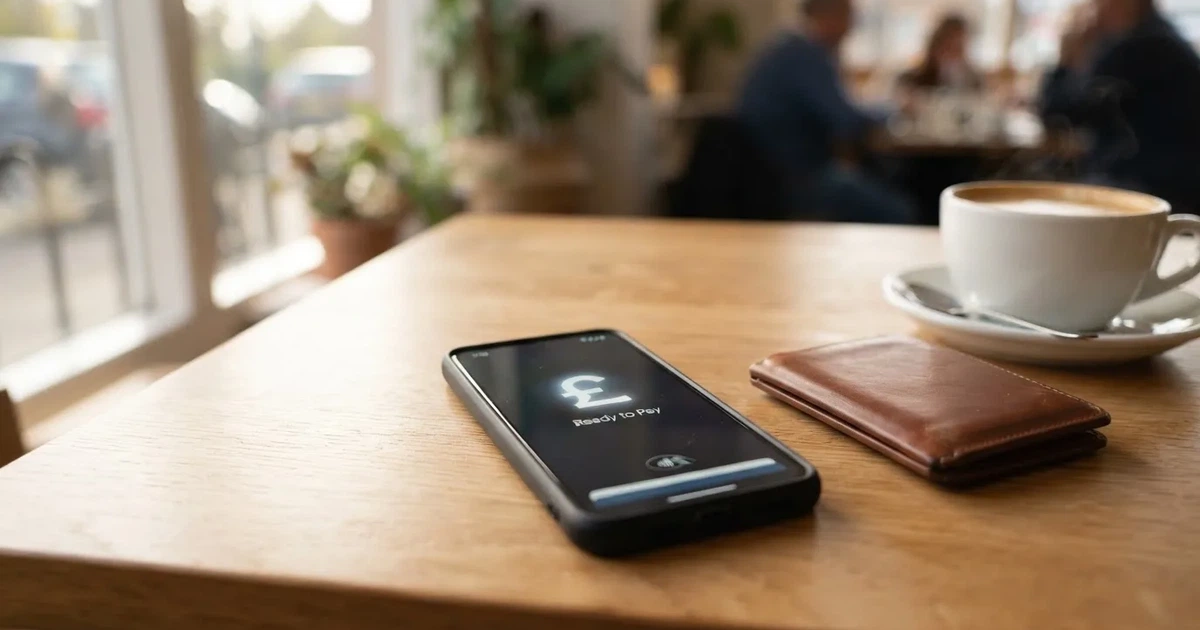
Current as of 27 October 2026, checked against the Gambling Commission’s public register and each operator’s own published terms.
The four GB-licensed operators on the desk
A short ranking should answer a real question, not dress up a directory. The four names below all hold a Gambling Commission remote general betting licence (real events), which is the only test that matters for betting to customers in Great Britain. They are not ordered by “best” or “safest” — those words travel badly across betting products — but by how cleanly each one handles a paysafecard deposit on a GB-licensed cashier in 2026.
| Brand | Gambling Commission remote licence · holder · site | What the cashier and the bonus terms say |
|---|---|---|
| DAZN Bet | 048756-R-327274-019 · DZBT Limited · DAZN Bet | Debit card, Apple Pay, paysafecard, Trustly and Skrill from £5; PayPal from £20. No processing fees. |
| Betboro | 044181-R-324363-007 · Webmedia Development N.V. · Betboro | Sports welcome: a £10+ debit card deposit unlocks a free-bet match up to £25 on a first wager with three or more selections, each at 3/5 (1.60) or higher. |
| Bet Ahoy | 100094-R-341742-003 · Bet Ahoy Ltd · betahoy.co.uk | 10% acca bonus up to £1,000 · Sub-Cover on player substitutions · BOG on UK and Irish horse and greyhound racing up to £100 · Double Result on UK and Irish racing. |
| Star Sports | 009177-R-104555-019 · Star Racing Limited · starsportsbet.co.uk | Deposit limits, Play Break and self-exclusion in My Account; UK and Ireland app availability. |
Only DAZN Bet among the four lists paysafecard as an explicit cashier method in its published terms — for the others, the cashier page is where any paysafecard rail gets confirmed, and the absence here is a publishing gap, not a finding that paysafecard is unsupported. Every row is a Commission licence against a named holder, not a marketing claim of “trusted” or “regulated”. The welcome terms shown are headline figures; the real cost sits two paragraphs deeper in each operator’s terms page.
What follows walks outward from that table: what paysafecard actually is, the statute that makes a Commission licence compulsory, what safer-gambling tooling looks like when the deposit method is a prepaid code, what bonus terms cost when funding by paysafecard, the cashier mechanics in detail and each operator carded in turn.
Paysafecard fundamentals
Paysafecard is a prepaid payment method for paying online without a bank account or credit card. A 16-digit code is bought online or in a retail outlet — typically in fixed denominations from £10 up to £250 per code in the UK — and the code’s balance is entered at the cashier of any retailer that takes it. A separate balance-check tool on the provider’s own site confirms what is left on the code. The electronic money behind the code is issued by Prepaid Services Company Limited, which is licensed by the UK Financial Conduct Authority, and the brand sits inside the Paysafe group after Skrill acquired it in 2013 and the wider company rebranded as Paysafe in 2015.

That is the fundable instrument. The point that distinguishes paysafecard from a debit card at a bookmaker is what is missing. There is no bank account attached to a paysafecard code, no continuous payment relationship and no card number for a merchant to retain. The cost of that privacy is friction elsewhere: once the code is spent, it is spent, top-ups mean buying a new code, and the £250 single-code ceiling in the UK caps a single deposit without stacking several codes at the cashier.
Mechanics that matter at the betting cashier. A paysafecard code is single-use up to its balance; the cashier either takes the full balance or the residual sits on the code for the next transaction. PIN-only redemption means there is no chargeback route in the card sense — once the funds have moved from paysafecard’s e-money licence to the bookmaker’s cashier, the redress sits at the bookmaker, not the issuer. Some codes (the “My paysafecard” registered account) can be refunded to the original payment method; an unregistered code is treated like cash once handed over. That is the practical difference between a paysafecard deposit and a debit card deposit: debit cards have a card-issuer dispute route, prepaid codes do not.
The Paysafe group brand also explains why a paysafecard account sometimes sits beside a Skrill or NETELLER wallet in the same cashier: the same parent issues all three, and where one operator integrates one it usually integrates the others. That is helpful when a paysafecard user wants a payout route — paysafecard is one-way for most retail customers, and a same-group e-wallet becomes the standard way to receive winnings back.
The statute that wraps the cashier
A page about GB betting cannot skip the law: the Gambling Commission licence is not a quality mark, it is a statutory floor. The Gambling Act 2005 covers Great Britain (England, Scotland and Wales); Northern Ireland sits outside the Act and runs on older legislation. Since the Gambling (Licensing and Advertising) Act 2014 an operator whose remote facilities are used in Great Britain needs a Commission licence wherever the operator itself is based. A Curaçao, Maltese or Gibraltar licence is not a substitute, and an “Antillephone-licensed” or “Curacao-only” brand is operating outside the GB regime if it accepts GB customers without the Commission’s seal.

The register check is straightforward. The Commission’s public register takes a business name, trading name, domain or account number and returns the licence status. Each row of the table above can be re-checked by searching the licence number or holder name. The account number printed in the licence — 048756, 044181, 100094 and 009177 — is enough on its own. A footer mention of “licensed by the Gambling Commission” without seeing the licence on the register is a marketing claim; the register is the test.
The categories matter as well. The four featured operators each hold a “remote general betting standard (real events)” licence, which is the right category for fixed-odds sports betting online. Remote pool betting, remote betting intermediary (the exchange category) and remote general betting limited sit alongside it, and they cover different products. A bookmaker that also offers financial spread betting is regulated by the Financial Conduct Authority for that activity, and that is a separate licence as well as a separate product — losses on a spread-betting account can exceed deposits, which the operator will print in plain type on its homepage.
The statutory backdrop also rules out several marketing claims by default. There is no state monopoly on betting licences in Great Britain. There is no statutory list of permitted or forbidden bets: the operator’s licence categories and the Commission’s Licence Conditions and Codes of Practice (LCCP) set what an operator may offer. There is no statutory cap on stakes in sports betting; operators set their own maximums and may restrict customers case by case. There is no state-set deposit or loss ceiling either — deposit limits are an RTS 12 obligation on the operator to offer, but the level itself is the customer’s choice.
One figure a reader often meets and rarely unpacks. General Betting Duty is the operator’s tax on gross profits — currently 15% — and a separate remote rate of 25% applies from 1 April 2027 to most remote betting, while remote bets on UK horse racing, self-service betting terminal bets, pool betting and in-person betting remain at 15%. Until that date the remote rate stays at 15%. The duty is the operator’s, not the punter’s; betting winnings are not taxed on the customer side in Great Britain, which is general information, not tax advice.
Safer gambling around a paysafecard account
Safer gambling around a paysafecard deposit follows the same framework as around any other payment method, with one quirk that paysafecard users meet in particular. The basics first.
Every GB-licensed remote operator is in GAMSTOP, the national multi-operator online self-exclusion scheme, since 31 March 2020. Self-exclusion periods run six months, one year, five years, or five years with auto-renewal; once the minimum period is up, the exclusion stays in place for a further seven years unless the customer asks GAMSTOP to remove it. GAMSTOP covers online sites and apps — betting shops use a separate service. The Commission’s safer-gambling code is the social responsibility code of the LCCP; deposit limits, time-outs, product restrictions and self-exclusion are operator-side obligations on top of the GAMSTOP enrolment.
The financial vulnerability check (LCCP condition 3.4.4, in force since 30 August 2024) is the rule readers hear about most often in 2026. It triggers on licensed remote betting when a customer’s deposits minus withdrawals exceed £150 in a rolling 30 days (the threshold has applied since 28 February 2025). It is a public-record check — bankruptcy registers, county court judgments and similar — not a credit-reference, affordability or income check. Financial risk assessments (the “affordability checks” of the press) sit on a separate staged plan; the Commission published its plan on 7 July 2026 with no start date. The framing matters: the vulnerability check is live, the financial risk assessment is announced.
A paysafecard deposit counts towards that £150 in exactly the same way a debit card deposit does. The trigger is rolling spend, not payment method; nobody gets a paysafecard-shaped exemption from the vulnerability check or from GAMSTOP. The opposite is also true — paysafecard does not enable the customer to “fly under the radar” of safer-gambling tooling. The check is on the operator’s account, not on the funding instrument.
Deposit limits can be set by the customer at any time, on a daily, weekly or monthly frame, and the operator cannot raise a limit without a cooling-off delay. Time-outs (24 hours up to six weeks) and self-exclusion (six months and up) pause the account. Product restrictions close specific verticals — casino, slots, betting — even if the account stays open. Every operator on the table above publishes at least deposit limits and self-exclusion in some form; those are obligations, not marketing extras.
Help outside the operators. GamCare runs the National Gambling Helpline. GambleAware funds treatment and research. NHS gambling clinics operate in several regions. Gamblers Anonymous runs peer-support meetings. None of these are the operator’s responsibility to route customers to, but every GB-licensed operator lists them, and GAMSTOP itself is a separate service again. Where to start: pick the helpline that suits, register with GAMSTOP, set a deposit limit, and ask the operator to put the rest of the safer-gambling toolkit in My Account.
Anonymity, KYC and what a prepaid code does and doesn’t do
The single most common reason a searcher lands on a paysafecard-betting page is a hope of anonymity: no card on file, no bank statement, no name at the cashier. That hope is partly right and partly wrong, and the difference is worth spelling out.
Paysafecard buys privacy at the funding layer. There is no bank account linked to a 16-digit code, no merchant retains a card number, and the balance is paid in cash at a retail outlet (or paid in advance online to a Paysafe-account wallet). To the bookmaker’s cashier, the deposit arrives as a paysafecard transaction identifier and a value, not as a cardholder name and a sort code.
Privacy at the funding layer is not anonymity at the betting layer. GB-licensed bookmakers must verify name, address and date of birth before the first deposit or first bet (the rule took effect on 7 May 2019 and extends to free bet or bonus play). Source-of-funds questions at higher spend are routine under the anti-money-laundering rules. A paysafecard-funded account that loses a £5 deposit, then another, then another, will trip the same identity thresholds a debit-card account would — because the rule is on the customer’s identity, not on the funding method.
That is the practical answer to several search questions. Anonymous paysafecard betting at a GB-licensed site: not in the strict sense. Paysafecard betting without identity verification: only at sites that hold no GB licence, and the next paragraph covers why that trade-off costs more than it looks. Paysafecard betting without KYC: same trade-off, same cost. A paysafecard code is a way to keep a bank statement clean, and that is a real benefit on a personal-finance level — it is not a way to bet unregistered.
Where the searcher genuinely wants offshore play without identity checks, the picture is straightforward and bleak. An operator outside the GB regime has no obligation to enrol a customer in GAMSTOP, no 10× bonus wagering cap, no £150 vulnerability-check threshold, no Commission complaints route, no approved alternative dispute resolution, and no British consumer redress if funds are withheld. The provider can also vanish overnight: a Curaçao-licensed brand lives under one regulator that publishes a fraction of the operator information the Commission publishes. None of this is illegal in the strict sense, in that no offence aimed at a customer was found in the Act — but “no offence” is a thin frame to bet inside.
A paysafecard-depositing punter who wants a meaningful level of protection therefore has one sensible path. Use a GB-licensed operator; accept that KYC happens at sign-up; set a deposit limit and a self-exclusion before the first bet; read every bonus term with one eye on the cashier rules. The operator gets the licence and the safer-gambling toolkit; the customer gets the GAMSTOP enrolment, the LCCP consumer-protection code, and a meaningful dispute path; paysafecard buys a private funding rail but not an unregistered one.
Bonus terms when the deposit is paysafecard
Welcome offers at GB-licensed bookmakers look generous on a banner. Read the small print, and the welcome terms become a worked example in wagering math. From 19 January 2026 the LCCP caps wagering requirements on bonuses at 10× the bonus amount — a £10 bonus at the old 50× rule used to need £500 of qualifying bets; under the cap, no more than £100. Whether the cap applies to free bets without a wagering condition, and any cap on the money value of a bonus, are not settled in the regulation; the description here rests on the operator’s own published terms.
Shape-shifts a paysafecard-funded customer in particular should know. The deposit method often decides whether the welcome offer unlocks at all. Betboro’s sports welcome offer, for instance, requires a debit card deposit of at least £10 — a paysafecard funding would not unlock this offer, even where paysafecard appears in the cashier for ongoing deposits. Reading the welcome-offer terms before depositing pays for itself. The “matched free bet” is not the same product as a matched cash bonus. A matched cash bonus returns its stake; a matched free bet, by the standard terms across GB-licensed operators, returns profit only — stake not returned. That is the difference between a £25 matched cash bonus turning into £50 of profit on a winning 2/1 (3.00) bet (£25 × 3.00 = £75 returned; £50 profit) and a £25 matched free bet turning into £50 profit only (£25 × 3.00 = £75 returned, minus the £25 stake not returned = £50). The headline is identical; the product is not.
The minimum price for a qualifying bet — usually 3/5 (1.60) on each leg, sometimes higher — is a filter against backing heavy favourites only: at 1.60 the punter gives up roughly 38% of stake to the margin on average across a typical GB football card. The qualifying-bet window — usually 7 or 14 days from opt-in — caps the time the punter has to clear the offer before expiry. The free-bet expiry — usually 7 days from issue — caps how long the stake sits in the wallet.
Beyond the welcome banner sit the ongoing offers, and the pattern matters more than the headline. Best Odds Guaranteed (BOG) on UK and Irish horse and greyhound racing pays the punter the higher of the taken price and the starting price, and several operators cap the BOG payout — Bet Ahoy, for one, caps BOG at £100 on UK and Irish racing in its published terms. Acca insurance refunds the stake as a free bet if one leg lets the punter down, usually capped and usually with a minimum-leg threshold. Acca bonuses add a percentage to winning accumulator returns, again capped. Each of these carries a stake-returned rule, a minimum-leg rule, a market rule and a cap, and the cashier on the day rarely surfaces them — the betting slip and the offer terms do.
The 10× cap sits on the bonus, not on the bonus plus deposit; a £10 bonus with a 10× wagering requirement needs £100 of qualifying bets, not £200. The cap also sits alongside a ban on mixed-product promotions from 19 January 2026 — an offer that requires a football bet plus casino play to qualify is not lawful in Great Britain. That ban cuts out several “deposit £10, get £30 in casino + £10 in free bets” structures that licensed operators used to run.
Moving money — the cashier in detail
Cashier mechanics differ across the four operators on this desk, and the practical questions sit in the same shape: how cheap the deposit method is, what the minimum and maximum deposits look like, what the withdrawal route is, and whether payout lands in a paysafecard-shaped way.
Deposit costs at licensed operators in this set are stated as zero. DAZN Bet’s cashier terms, in particular, list no processing fees for any of its deposit methods — debit card, Apple Pay, paysafecard, Trustly, Skrill or PayPal. Each operator is free to set fees on specific rails, and the cashier page is the authoritative source. Third-party fees are a different story: paysafecard can charge an inactivity fee on unused balances after 24 months, and Paysafe’s general terms apply across the e-money licences.
Minimum deposits anchor a reader’s choice. DAZN Bet takes £5 from debit card, Apple Pay, paysafecard, Trustly and Skrill, with a £20 minimum on PayPal. Betboro’s welcome offer requires £10 on debit card; the wider cashier minimums sit in the cashier page rather than the bonus terms. Bet Ahoy and Star Sports publish cashier pages with their own minima. The £5 floor at DAZN Bet is the lowest among the four for a paysafecard funding rail; £10–£20 is more typical across the GB market.
Maximum deposits are set per customer, not per method. The operator widens a cap on request, sometimes after a quiet period or a Know-Your-Customer re-check, and narrows a cap on safer-gambling grounds. A punter who wants a larger deposit limit needs the limit raised first, then the deposit.
Withdrawal mechanics on this set are not uniform. DAZN Bet publishes instant withdrawals on certain rails, with the cashier page the authoritative source. Betboro and Star Sports do not advertise the same claim; Bet Ahoy sits in the same shape. A paysafecard deposit typically must be withdrawn to a different rail because paysafecard is single-use, and the standard payout route is bank transfer (or a Paysafe-group e-wallet such as Skrill where the same cashier integration supports it).
What that means for a paysafecard depositor. Deposit by paysafecard; withdraw by debit-card-linked bank transfer via Faster Payments, or by Skrill, or by PayPal. Withdrawal time at a licensed operator is most often 0–24 hours on Faster Payments rails, 1–3 days on debit-card rails, and same-day to instant on e-wallets where the integration supports it. Star Sports publishes safer-gambling tooling in My Account (deposit limits, a Play Break facility, self-exclusion) rather than a payout speed claim — a safer-gambling-first shape.
Identity verification at first withdrawal is mandatory under GB rules, regardless of how the deposit was made. Some withdrawals route through the same payment method used to deposit (a “closed loop” rule), and a paysafecard-funded deposit will close-loop to a debit-card payout. Disputes route to the operator first, then to an ADR (alternative dispute resolution) provider the operator is registered with (typically IBAS), and only then to the Commission’s complaints process — the regulator’s complaints route is a “last resort” channel, not a fast one.
The cashier is the most operative page on a bookmaker’s site and the least read. The bettor who checks the cashier before the welcome banner is the one who catches the deposit-method restriction that voids a bonus, the closed-loop rule that surprises a withdrawal, the cap on free-bet returns that trims a payout. The cost of an offer is never the banner headline; it is the wagering requirement, the minimum price, the expiry window and the free-bet stake-not-returned clause. The cost of a cashier is never the deposit fee; it is the closed-loop rule, the verification delay, the withdrawal time. The two together are the real bill.
DAZN Bet
DAZN Bet is the only operator in this set whose published cashier terms list paysafecard as a deposit method. The Commission account is 048756-R-327274-019 (or simply 48756), held by DZBT Limited; the registered site is DAZN Bet. Deposits start at £5 by debit card, Apple Pay, paysafecard, Trustly and Skrill, with PayPal from £20; no processing fees are stated for any method. The licence category is remote general betting standard (real events), the right shape for fixed-odds sports betting.
A paysafecard depositor with a £5 minimum stake is well served by DAZN Bet’s cashier: the £5 floor is the lowest among the four operators for a paysafecard funding, and the absence of a processing fee keeps the maths honest. The PayPal floor of £20 is the asymmetry in the cashier — the same bankroll pays a different minimum depending on rail — but it is the rail, not the operator, that drives that gap.
The welcome offer and the ongoing product set sit on the wider DAZN Bet site. The cashier is the bit a paysafecard user reaches first; DAZN Bet deserves a look at the bonus terms before depositing, because most welcome offers carry a debit-card-or-deposit-method restriction that may or may not include paysafecard. That detail is in the welcome-offer small print, not the cashier itself.
The verdict on DAZN Bet is a cashier-shaped one: low minimum, no processing fee, paysafecard in the published list. The cost of using this cashier is the standard GB verification at sign-up — name, address and date of birth before the first deposit — and the standard £150 rolling 30-day vulnerability check trigger from 28 February 2025. That is the floor of the licence, not a DAZN Bet quirk, and it is the price a paysafecard user pays for the Commission’s protection.
Betboro
Betboro’s Commission account is 044181-R-324363-007 (or 44181), held by Webmedia Development N.V.; the registered site is Betboro. The sports welcome offer is a 100% matched free bet of up to £25 on the first qualifying wager. The trigger is a debit card deposit of at least £10, and the qualifying bet must be between £5 and £25 on three or more selections, each at 3/5 (1.60) or higher.
The headline reads “100% match”, and the actual product reads differently. A £25 free bet at 2/1 (3.00) pays profit only — £25 × (3.00 − 1) = £50 of profit, and the £25 stake is not returned. The headline match is the free-bet stake; the punter gives up the £25 stake every time a free-bet leg wins, which is the standard free-bet cost across GB-licensed sites. The qualifying bet runs at a stake floor (£5) and a ceiling (£25), and the bonus activates on the first qualifying wager only. A first wager outside the £5–£25 window forfeits the offer.
The minimum price for a qualifying leg (3/5 or 1.60) is the second cost. At 1.60 the punter backs heavy favourites across at least three selections; the maths is that somewhere around 38% of stake goes to margin on average across a typical GB football card at 1.60, and that margin is the tax the punter pays for taking a “qualifying-bet” offer. Free-bet offers at GB-licensed operators generally clear profitably when the qualifying bet wins; the offer starts to lose shape when the qualifying bet itself turns into a long-term loss.
The debit-card deposit trigger is the third cost, and the one paysafecard users meet head-on. A paysafecard deposit would not unlock the Betboro welcome offer under its published terms, which means the offer is structurally closed to the reader who funds by paysafecard. The product is competent and the licence is in place, but for the specific bettor who wants a paysafecard-funded welcome bonus the structure forces the bankroll sideways — onto a debit card, or onto a different operator. That is a real choice, not a marketing miss.
Bet Ahoy
Bet Ahoy’s Commission account is 100094-R-341742-003 (or 100094), held by Bet Ahoy Ltd; the registered site is betahoy.co.uk. The published product story is acca-shaped: a 10% acca bonus up to £1,000, Sub-Cover on player substitutions, Best Odds Guaranteed on UK and Irish horse and greyhound racing up to £100, and a Double Result payout on UK and Irish racing. The licence is remote general betting standard (real events), the right shape for fixed-odds sports and racing betting.
The headline is the 10% acca bonus up to £1,000. On a winning £100 accumulator at combined odds of 10/1 (11.00), profit is £1,000 (£100 × 10.00 minus £100 stake), and the 10% bonus adds another £100 — capped at £1,000, so any acca bonus above £1,000 is clipped at the cap rather than the headline figure. The bonus is paid as cash or free bet depending on terms; the cashier page is the authoritative source. A punter who runs multiple small accumulators across a Premier League weekend hits the cap structure differently from a punter chasing a £50,000 ante-post horse-racing stake.
The other three product lines each carry their own cap and rule. Best Odds Guaranteed pays the higher of the taken price and the starting price on UK and Irish horse and greyhound racing; the £100 cap on Bet Ahoy’s BOG matters most when a punter takes a short price that drifts at the off — a £2 taken price that drifts to SP 5/1 (6.00) on a £100 stake pays £500 at SP rather than the capped £100 BOG figure. Sub-Cover on player substitutions returns the stake (as a free bet) when a named selection is taken off early; Double Result pays the bet as a winner if the backed horse finishes in the top two in either of two specified places.
The cashier on Bet Ahoy does not name paysafecard in this set of published terms, and the cashier page is where any paysafecard rail gets confirmed. A punter who wants to check paysafecard on Bet Ahoy reads the cashier page on betahoy.co.uk directly, or contacts support — the cashier page, not the homepage or the bonus banner, is the authoritative source on the deposit rail.
The verdict on Bet Ahoy is racing and accumulators, and the cap discipline that goes with them. The acca bonus caps at £1,000; BOG caps at £100; Sub-Cover and Double Result each carry their own conditions. A punter who likes building accumulators and racing multiples has a sensible home here, provided the deposit rail they want is in the cashier. For the paysafecard-specific reader the cashier check is the next move, not the welcome banner.
Star Sports
Star Sports’ Commission account is 009177-R-104555-019 (or 9177), held by Star Racing Limited; the registered site is starsportsbet.co.uk. The published story is safer-gambling-first: deposit limits, a Play Break facility and self-exclusion are advertised in My Account, and the app is available in the UK and Ireland. The licence is remote general betting standard (real events), the right shape for fixed-odds racing and sports betting.
Deposit limits and self-exclusion are obligatory on every licensed operator; rarer is the prominence the operator gives them. Star Sports pushes those limits and the Play Break facility into My Account rather than behind a safer-gambling dropdown, and that is a small interface choice with a real consequence for the punter who wants the limits visible at the moment of deposit. “Play Break” is this operator’s term for a self-imposed short break, sitting between a time-out (24 hours to six weeks) and a full self-exclusion (six months and up); its exact terms sit in the My Account section. GAMSTOP enrolment is the scheme on top of all of these: a customer who self-excludes with Star Sports can also choose the GAMSTOP multi-operator exclusion, which lifts the same name across every GB-licensed operator’s online product simultaneously.
The product beyond safer-gambling tooling is racing-led. Star Racing Limited is the holder name, and the racing product — meeting commentary, ante-post markets, place terms, Rule 4 deductions — sits at the centre of the offering. A paysafecard depositor finds a racing-shaped bookmaker rather than an acca-shaped one, and the choice between Star Sports and Bet Ahoy turns on whether racing or accas is the punter’s main product.
The cashier on Star Sports does not name paysafecard in this set of published terms, and the same publishing caveat applies as on Bet Ahoy: the cashier page is the authoritative source. A punter who already knows they want paysafecard at Star Sports looks in the cashier before funding; none of this is a value judgement on the operator — the racing bookmaker is a different product from a top-flight sportsbook, and the safer-gambling tooling sits forward.
The verdict on Star Sports is the safer-gambling-first interface over a racing-shaped product. A punter who wants gambling-limit tooling front and centre, with a racing-led market underneath, has a clean fit here. A punter whose daily product is football accumulators has more to do with the cashier before they find the structure they want. The paysafecard question is the same one as on Bet Ahoy: the registration is in the right place and the rail is the unknown.
Frequently asked questions
Can paysafecard be used to back bets and lay them the way an exchange lets you?
Paysafecard works one way at a cashier: funding a bet. A GB-licensed betting exchange runs under a separate betting-intermediary licence, and paysafecard’s published rail is on fixed-odds bookmakers, not on exchanges. A punter who specifically needs to lay bets must use an exchange-shaped cashier, not paysafecard.
Where does the money go when a paysafecard-funded bet loses?
The bookmaker keeps it. The wager happens as normal — bookmaker takes the stake, sets the odds and settles — and the paysafecard rail makes no difference. The safer-gambling tools are what limit the loss: deposit caps, time-outs and self-exclusion stop further bets, and GAMSTOP enrols the punter’s name across every GB-licensed operator.
Can paysafecard be used in a UK betting shop, or only online?
Paysafecard’s rail is online. UK high-street bookmakers run on cash, debit card and the operators’ own branded cards; the 16-digit code does not feature at the betting shop till. A punter who bets in person uses the shop’s actual payment rails; the only paysafecard-shaped product on the high street is the retail purchase of the code itself.
Which payment methods do GB-licensed bookmakers accept, and are credit cards allowed?
GB-licensed bookmakers accept debit cards, bank-based payments (Open Banking, bank transfer), e-wallets (PayPal, Skrill, NETELLER, Apple Pay, Google Pay) and prepaid codes (paysafecard). Credit cards have been banned for gambling in Great Britain since 14 April 2020, including credit-card-funded e-wallet top-ups. Each operator sets its own floor and ceiling per rail.
How can it be checked that a bookmaker holds a Gambling Commission licence?
Search the Commission’s public register by business name, trading name, domain or account number — the account numbers on this desk (048756, 044181, 100094 or 009177) are enough on their own. The register returns the licence status, the categories covered and the holder name. A footer mention of “licensed by the Gambling Commission” is a marketing claim; the register is the test.
Payments & apps – Basketball betting
Content created by the «Basketball betting» team
