
Best Betting Apps UK: What a Licensed App Actually Costs in 2026
 Available in US
Data current as of 27 October 2026, cross-checked against the Gambling Commission’s public register and each operator’s own app-store listing.
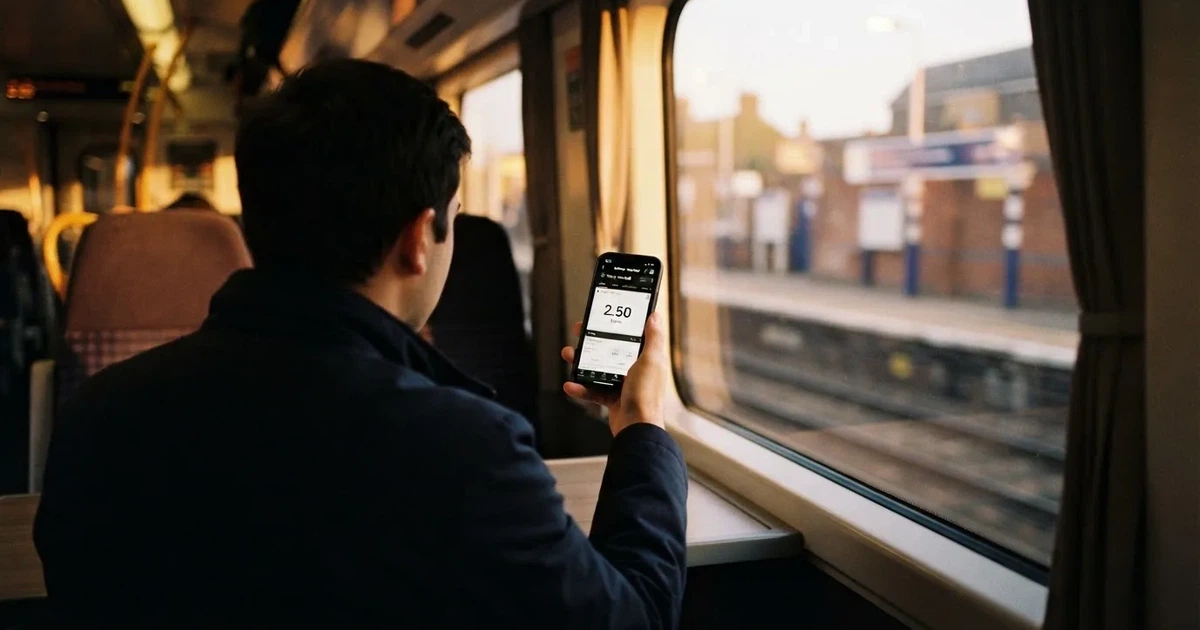
A punter in Great Britain who types “best betting apps uk” into a search bar is rarely comparing design flourishes. The shortlist question masks two sharper ones: which app survives the kind of losing run that punting real money produces, and which one stops a problem gambler from running up a debt the app did nothing to flag. This page answers both, name by name, against the only test of legitimacy in Great Britain — the Gambling Commission’s own register of remote operating licences. Every brand reviewed below carries one; every licence number quoted here was verified there.
The cost angle runs through every section. A bookmaker’s margin is hidden inside each price; a wagering requirement is hidden inside each free bet; a verification step is hidden inside each “instant” deposit. None of them disappear because they sit one click away. Where the marketing says “free” and the small print says “£100 of qualifying bets”, that is the page’s subject.
Why unlicensed crypto-friendly apps are not on this list
The cluster of “best crypto betting apps” and “best bitcoin betting apps” sits high in search interest, and the temptation for any comparison is to give readers what they searched for. It is the wrong move in Great Britain, and the reason is not moral — it is legal and arithmetic.

A bookmaker serving customers in Great Britain needs a Gambling Commission licence wherever the operator itself is incorporated, since the Gambling (Licensing and Advertising) Act 2014 rewrote section 33 of the Gambling Act 2005. Curaçao, Malta, Gibraltar — none of those jurisdictions substitutes. That excludes the brands whose selling point is that no identity check happens, because the Commission’s own rules require name, address and date-of-birth verification before a first deposit, including when the deposit is to claim a free bet or bonus. A “no verification” pitch and a GB licence are not compatible products. The brands below carry a GB licence, so the question of crypto and anonymity is closed for this shortlist.
That leaves the legitimate question: what about the licensed apps that happen to accept bitcoin or a stablecoin? The Commission’s position is that licensed operators run their own payment policies inside the licensing regime, and what those operators accept from a new customer is decided by them, not by statute. The payment choices that matter for a GB punter — debit card, PayPal, Apple Pay, bank transfer, Instant Payments — are the ones this page tracks. Where a brand in the shortlist also accepts a cryptocurrency, the operator’s own cashier page is the place to see it. The shortlist itself does not award points for crypto rails, because that criterion rewards the very absence of checks the Commission requires.
Free bets, welcome offers and what they actually cost
The second cluster — “best free betting apps”, “best betting apps sign up bonus”, “best betting apps with free bonus” — is where the page’s cost angle earns its keep. A welcome offer is the cheapest moment of the relationship between a punter and a bookmaker. Everything that follows is more expensive.

The mechanics that decide what an offer costs are the same across the market, even when the marketing differs. A free bet is a token stake that pays the winnings but not the stake back, so a £10 free bet at odds of 3.00 returns £20 of profit only when it wins. A cash bonus is money added to the balance that cannot be withdrawn until a wagering requirement is met — and since 19 January 2026 those requirements are capped at 10x the bonus amount, which is the figure a punter should check before anything else on the offer page. A “bet £10, get £30” headline is meaningless until the qualifying bet’s minimum price and the bonus turnover are known. A refund as a free bet when a first bet loses is not a refund in money; the punter still loses the qualifying stake and the next round begins at a new margin.
The best way to read a welcome offer is to translate the headline into the actual stake that has to be risked to lift the bonus. Where an operator publishes those details inside the app, the app is the source of truth and the headline is decoration. Where the headline cannot be reconciled with the small print, the punter walks away; the operator that wants the punter’s business will tell them plainly what the offer takes.
One rule worth flagging up front: since 19 January 2026, mixed-product promotions are banned. An offer that requires a sports bet to unlock casino spins, or vice versa, is no longer a permitted marketing structure for a GB-licensed operator. The end of that mechanic cleans up a category of headline that always cost the punter more than it returned.
Payments, deposit limits and how fast winnings actually arrive
The “best betting apps with fast payouts uk” cluster is where the licence gap hurts most. The fastest payouts in the market run on rails the operator controls — Visa Fast Funds, Instant Payments, PayPal — and the speed those rails can reach is governed by the receiving bank and the wallet, not by the app. A licensed operator that has integrated those rails will, on a typical weekday afternoon, push a withdrawal back to a Visa debit card within an hour or two, with PayPal and Instant Payments at the faster end of that range. The numbers the marketing pages quote are best-case figures, not median ones, and the gap is the punter’s risk.
The slower side of the picture is where the cost angle is most useful. Three constraints shape what an app can actually do at the cashier.
First, credit cards are banned for gambling in Great Britain since 14 April 2020, including credit-card-funded payments through an e-wallet. A punter who tries to fund a betting account with a credit card, even by topping up PayPal with the card, will be refused. The ban closes off the worst-behaved funding path, which matters more for someone with a credit-card-shaped problem than for a casual punter, and is one of the cheaper wins the licensing regime produces.
Second, identity verification runs before the first deposit at any licensed operator, so there is no such thing as an anonymous first deposit. The check is operational, not optional, and a punter who values privacy has to weigh that against the protections the licence buys — GAMSTOP coverage, Commission complaints route, dispute resolution, the 10x wagering cap.
Third, deposit limits are a customer-set tool that every licensed operator must offer, with the first phase of the new framework live since 31 October 2025 and a second phase postponed to 30 September 2026. A punter who wants a hard ceiling sets one in the account settings before the first bet, because a limit set mid-week often takes 24 hours to apply and is harder to enforce against the impulse that prompted it. The app’s job is to surface the setting; the punter’s job is to use it.
What an operator cannot do, in pricing terms, is publish a flat payout speed without qualifying it. “Within 24 hours” is a common line and is usually true for PayPal and Instant Payments. Bank transfers to a non-UK account take longer. Cheque withdrawals, where still offered, take the longest. The punter’s working figure is the operator’s own cashier page, not the headline.
What a licensed app on a phone actually adds over the browser
The “best mobile betting apps” cluster is the easiest to oversell. The browser version of every operator below does most of the same things — placing a bet, building an accumulator, watching in-play markets — and the app’s edge is not a new market but a faster path to one.
That path runs through three features the browser cannot match. Face ID and Touch ID login, where supported, remove the password step from every session and make impulse bets easier to place — which is a feature for the casual punter and a small risk for the problem gambler, and which is why both these login methods appear on the same shortlist. Native notifications push price boosts and result alerts to the lock screen, which is the most underpriced channel a punter has for catching the kind of short-price movement a same-game multi depends on. Apple Pay and Google Pay, where supported, sit between the debit card and the bank app and remove one step at the cashier.
Below those features the differences narrow quickly. Bet Builder, cash out, live streaming and in-play betting are table stakes on the licensed apps in this shortlist and not points of differentiation between them. The browser experience lags the app on each of those, but the lag is rarely enough to change a bettor’s selection.
What an app cannot do, and what no marketing line should convince a punter otherwise, is produce a price the browser would not. The odds on the app are the odds on the site. The margin sits inside both. A punter comparing apps for the best odds will end up comparing prices, not interface.
The ten apps, ranked for cost rather than polish
The ranking below uses one question: for a punter with £100 to deposit, which app keeps the most of it after the welcome offer, the verification step, the cashier fees and a normal losing run? That is not the only ranking a punter might want; the app-store ratings, the in-play depth and the casino tie-in each favour different brands. The order below is the order that fits the cost angle of this page.
A note on what each row carries. The licence number and licence-holder name are the rows the Gambling Commission’s public register reads against. The “what the operator’s terms state” column is the part of the shortlist the punter checks before signing up. Where the source is the App Store listing, that is stated; where the source is the operator’s own terms page, that is stated; the difference matters when a condition is in dispute.
| Brand | Gambling Commission remote licence number and licence holder | What the operator’s own terms state on the key’s subject |
|---|---|---|
| Dabble | Account 65677, Dabble Sports UK Ltd | Social betting with a real-time feed, copy bets and group chats; the operator pays 10p when another user copies a bet. Deposit limits and cooling-off periods are available as safer-gambling tools. |
| Paddy Power | Account 39439, PPB Counterparty Services Limited | The app covers football, horse racing, boxing, rugby, tennis, golf, darts, snooker and Formula 1, published by Paddy Power PLC. |
| Betmaster | Account 65699, BM Solutions GB Ltd | The app covers football, cricket, horse racing, NFL and esports markets on League of Legends and Dota 2, published by Bm Solutions Gb Limited. |
| Bar One Racing | Account 56516, Bar-One Racing Limited | Irish independent bookmaker rebranded as BAR 1 Betting, with shops across Ireland and horse racing sponsorships at Dundalk, Fairyhouse, Navan, The Curragh, Curraheen Park and Cork. |
| BetGoodwin | Account 2927, Goodwin Racing Limited | The app welcome offer splits into a £5 sports bet, a £5 acca and a £5 Sub-Cover bet once a £10 qualifying bet is placed. |
| London Bet | Account 66162, Thistle Bet Limited | The app combines sports betting on football, tennis, horse racing, greyhounds, darts, golf, cricket, NFL, NBA, MLB and snooker with Pragmatic Play casino slots and live in-play betting. |
| Unibet | Account 45322, Platinum Gaming Limited | The operator states it has run since 1999; safer-gambling tools include deposit limits, a Player Profile test, product restrictions and self-exclusion. |
| Tote | Account 54779, TDCO Limited | The app offers Placepot, Jackpot, Scoop6 and Quadpot bets plus World Pool and international pools on French PMU, US and Hong Kong meetings. |
| QuinnBet | Account 61011, QuinnBet (Gibraltar) Limited | Free bets are valid for 7 days from credit, usable on any market at odds of 1/2 (1.5) or greater with maximum odds of 50/1; straight accumulators count, while Trixies, Patents and Yankees do not. |
| Sporting Index | Account 27343, Sporting Index Limited | The app carries full spread betting accounts with up to £300 cashback on selected sports spread markets; financial spread betting is FCA-regulated, fixed-odds betting is Commission-regulated. |
The remaining shortlist slot, where a punter wants more apps than ten, is built from the second tier of the Commission’s register: BetVictor (around eighty years as a bookmaker, app combining sportsbook and casino with regular price boosts and acca offers), Betfair (in-play, Bet Builder, free live streaming on UK and Irish racing and football, 90 Minute Payout market), bet365 (UEFA Champions League partner, described in its App Store listing as the most downloaded sports betting app in the UK, Face ID login, debit card, PayPal and Apple Pay funding), William Hill (24/7 in-site messaging customer service, time reminders, time-outs and deposit limits), Spreadex (fixed-odds and spread betting in one app, one-click auto and partial cash out, Bet Builder across fixed odds or spreads, live streaming on UK and Irish racing and greyhounds plus tennis, NFL and selected football), and Star Sports (deposit limits, Play Break and self-exclusion in My Account, available in the UK and Ireland).
What a betting app in Great Britain actually is
The shape of the market has been stable for the better part of a decade, since the 2014 Act moved the licence requirement to the point of consumption. A bookmaker serving customers in Great Britain needs a Gambling Commission remote operating licence regardless of where it is incorporated. The Commission’s public register, searchable by business name, trading name, domain or account number, is the whole test of who holds one. A licence from a Curaçao, Maltese or Gibraltar regulator is not a substitute. The Commission’s register lists several hundred brands; the shortlist above picks the ten this page weighs against the cost angle.
The app is the operator. The mobile app and the desktop site of a licensed brand share the same licence, the same verification flow and the same safer-gambling tools. The marketing can dress the app up as something newer; the regulator treats it as the same product. That is why the licence number is checked once, against the operator, and the rest of the comparison is on features the licence regime does not fix.
The minimum age is 18 across every category of remote betting licence. The Gambling Commission has been clear, since the rules tightened in May 2019, that the age and identity check happens before a first deposit and before any free bet or bonus is credited. The verification step is the price of admission to a licensed site, and a brand that markets itself on the absence of that step is, by definition, not licensed.
The market itself is competitive but not crowded at the licensed end. The Commission’s role is to licence and enforce, not to limit supply. There is no statutory cap on the number of licences and no state monopoly on sports betting. A punter who values one feature over another — pool betting at the Tote, social betting on Dabble, spread markets at Sporting Index — has a real choice inside the licensed set, and the choice is what this page ranks against.
The legal frame, in the words of the regulator
The Gambling Commission licenses the commercial market under the Gambling Act 2005, which covers Great Britain — England, Scotland and Wales. Northern Ireland sits outside the Act and has its own legal framework, which is why a “GB-licensed” brand and a brand licensed for Northern Ireland are not interchangeable, even when both can be downloaded from the same app store.
Betting licence categories matter at the level of what an operator may offer, not at the level of the punter’s choice. A remote general betting standard (real events) licence covers the bulk of what the shortlist does. A remote general betting standard (virtual events) licence covers computer-generated events that run on a fixed schedule. A remote pool betting licence covers pool products like the Tote. A remote betting intermediary licence covers betting exchanges. A brand holding a real-events licence is not automatically permitted to run a betting exchange, and an exchange is not automatically permitted to run a sportsbook. The category is in the register against each licence number.
Two operator behaviours that look like licence differences are not. In-play betting is offered across the shortlist and is governed by the operator’s own licence conditions and customer-protection duties, not by a statute that opens or closes in-play markets. Spread betting on sports outcomes sits inside General Betting Duty and the Commission’s general betting regime; financial spread betting is regulated by the Financial Conduct Authority and runs to a different rule book entirely. A punter looking at Spreadex’s offering should know which side of that line each market sits on before placing a bet.
Advertising is not licensed by the Commission. It runs through the CAP Code (non-broadcast) and BCAP Code (broadcast), enforced by the ASA, alongside the Commission’s own marketing conditions. CAP Code section 16 requires marketing to be socially responsible, of no strong appeal to under-18s, and to feature no one who is or seems to be under 25 in a significant role, with an exception for marketing placed where a bet can be made directly. That rule applies to who appears in the advertisement; it does not change who may bet, which stays at 18. Since 19 January 2026 the promotion rules cap wagering requirements on bonuses at 10x and ban mixed-product promotions, and a brand offering either of those structures is out of step with the regime.
The Premier League clubs’ voluntary withdrawal of gambling sponsorship from the front of matchday shirts, from the 2026/27 season, is a club-level commercial decision and not a legal change. Sleeves and pitchside hoardings remain permitted under the same framework. The effect on the app market is negligible: sponsorship spend and product cost are largely independent lines.
Protection, and what it actually pays for
The gambling harm picture in Great Britain runs through three named services and one operator-side regime. GamCare runs the National Gambling Helpline. GambleAware funds treatment and education. The NHS operates gambling clinics across the regions. Gamblers Anonymous runs peer-support meetings. GAMSTOP, the multi-operator online self-exclusion scheme, is the operator-side regime: every GB-licensed remote betting operator has been a mandatory participant since 31 March 2020. A punter who has registered with GAMSTOP cannot open a new account at any participating brand for the chosen exclusion period — six months, one year, five years, or five years with auto-renewal — and after the minimum period the exclusion stays in place for a further seven years unless the customer asks GAMSTOP to remove it.
The regime is not free to operators and not free to enforce. The financial vulnerability check that came into force on 30 August 2024 and applied to deposit activity from 28 February 2025 runs a public-record check (bankruptcy, county court judgments) when a customer’s deposits minus withdrawals exceed £150 in a rolling 30 days. That is not an income check and not a credit reference check; a £151 deposit that triggers a check does not by itself cause a punter to be barred from betting, but it does cause the operator to look at the public record. Financial risk assessments, the more intrusive cousin that the press calls “affordability checks”, are announced in a staged plan from the Commission (article of 7 July 2026) with no start date. The honest framing is “announced, staged, no start date”, not “in force”.
The deposit-limit framework sits alongside those checks. RTS 12, the technical standard, requires operators to offer a gross deposit limit on a fixed time frame; the first phase has applied since 31 October 2025 and a second phase was postponed to 30 September 2026, with whether it is live not established. The customer can always set a deposit limit; the new framework standardises how those limits surface in the app and how easily they can be raised. A punter who wants a hard ceiling should set one before the first deposit and resist the urge to raise it after a winning bet, which is exactly the moment the operator’s marketing will press the punter to deposit again.
Player protection, at its limit, is the difference between a licensed operator and an unlicensed one. A licensed operator is on GAMSTOP, runs the safer-gambling tools, caps bonus wagering at 10x and offers a Commission complaints route with an approved dispute-resolution service. An unlicensed operator offers none of those, holds customer funds on its own terms, and on a dispute leaves the customer with no British consumer redress. Honest framing: licensed means checks, limits, GAMSTOP and the bonus cap, but also the verification step that an anonymity-oriented buyer dislikes; unlicensed means none of those protections and possible loss of funds. Neither is “the safe choice” by default, because the choice between them is a choice between different kinds of risk, not a choice between risk and safety.
Offshore, and what the Commission can actually do
The Gambling (Licensing and Advertising) Act 2014 made it an offence, under section 33 of the Gambling Act 2005, to provide gambling facilities in Great Britain without the licence the Act requires. The offence runs at summary conviction up to 51 weeks’ imprisonment, a fine up to level 5, or both — six months in Scotland — and it is aimed at the operator, not the customer. No offence aimed at a customer who merely bets on an unlicensed site has been found; the customer loses protection, not liberty.
What the Commission can actually do to an unlicensed brand is limited to disruption. Cease-and-desist notices, search-engine referrals, work with domain registrars, hosting providers and payment providers to take the brand’s infrastructure away — that is the toolkit. Court-order DNS blocking powers have been given or are about to be given to the Commission, but ISP-level blocking is not in operation, and writing as if it were misleads the punter who tries to reach an unlicensed brand. The honest framing is “the Commission can make it harder to reach an unlicensed brand, and harder still for the brand to take payment from a British customer; the customer who wants to reach one can usually still reach one”. That is not an argument for unlicensed sites; it is an argument for understanding the cost of using one.
Tax, and what the punter actually pays
Betting winnings are not taxed at the punter’s end in Great Britain. That is general information, not tax advice, and a professional gambler should ask HMRC or an adviser; for everyone else, the take-home from a winning bet is the bet’s return, full stop.
General Betting Duty is the operator’s tax on gross profits from betting, currently 15%. From 1 April 2027 a new remote betting rate of 25% applies within that duty, while remote bets on UK horse racing, bets on self-service betting terminals in licensed premises, pool betting and in-person betting stay at 15% (HM Government policy paper of 26 November 2025). Spread betting has its own rates — 3% on financial spread betting and 10% on other spread markets. Until 1 April 2027 the remote rate stays at 15%; whether operators pass that duty on through odds is not established. The Commission’s statutory levy is a separate charge, not a tax, and does not reach the customer’s winnings.
The honest summary is that a punter at a GB-licensed operator pays no tax on a winning bet, and that the operator’s own duty is the operator’s cost. Whether the duty shows up in the odds is the kind of question an economist could spend a year on and never finish; the practical answer is that the punter is not charged duty at the cashier.
How the page judges what each app is worth
A punter picking one app from ten is making a bet on the app as much as on the sports. The criteria below are the ones this page weighs, in this order.
Cost of the welcome offer. The headline number divided by the qualifying stake, with a haircut for the wagering requirement and the minimum price of the qualifying bet. A “bet £10, get £30” headline at a 10x wagering requirement on the £30 costs more than a “bet £10, get £20” headline with no wagering at all. The arithmetic is the page’s job; the small print is the operator’s.
Payout speed at the cashier. PayPal, Instant Payments and Visa Fast Funds on the fast end; bank transfer slower; cheque slowest. Where an operator publishes a range, the midpoint is what a punter should plan around.
Margin and price depth on the markets the punter actually uses. A football 1X2 margin near 5% is competitive; one near 8% is generous to the bookmaker. The page does not run the audit; the punter’s own betting history will tell them which margin matters.
In-play and Bet Builder availability. Standard at the licensed end, so the question is depth — how many markets per match, how many legs in the builder — and not whether the feature exists.
Safer-gambling tooling. Deposit limits, time-outs, reality checks, GAMSTOP coverage, a working self-exclusion process. Standard at the licensed end; the test is whether the tools are visible inside the app or buried three menus deep.
Customer service in British hours. Live chat or in-app messaging at the times a British punter is awake, with a route to a human when the chat cannot answer. William Hill’s 24/7 in-site messaging is one such route; smaller operators match it less reliably.
Reading the small print the page refuses to gloss
The terms that decide what an offer costs the punter are usually four, and the page writes each one plainly because the operator’s marketing does not.
Minimum qualifying odds. A “bet £10” that has to be at evens (2.0) or greater changes what the qualifying stake is. At odds of 1.5, the qualifying bet returns £15, which is below the £20 the punter expects. The minimum-odds rule is the operator’s filter for which punters qualify; the page treats it as the first number to read.
Wagering requirement. The 10x cap is the headline; the way the cap is computed is the cost. A bonus of £30 with a 10x requirement means £300 of qualifying bets before the bonus is withdrawable. The cap is on the multiplier, not on the absolute turnover, and £300 at a 5% margin is roughly £15 of expected cost — that is the price of the bonus in punter terms, before any winnings.
Free-bet expiry. Seven days is common; QuinnBet’s free bets run for 7 days from credit, and others run for 30. A free bet that expires before the punter has a market they want is a free bet that does not get used, and an unused free bet is the worst offer in the shortlist.
Maximum payout cap. A free bet capped at 50/1 or £10,000 in winnings is the operator’s hedge against a long-shot win. The cap is real for long-shot punters; it is invisible to the rest.
Each of those rules is in the operator’s own terms and conditions. The app-store listing rarely carries them, and the welcome offer screen rarely carries them in full. The punter who wants to know the cost opens the terms page in the app, scrolls to the offer, and reads the four numbers above. The punter who does not is the punter the marketing was written for.
Payout mechanics, in the form a punter actually uses
A winning single bet at decimal odds of 3.00 with a £10 stake returns £30 — the stake plus £20 of profit. A winning double at decimal odds of 3.00 and 2.50 with a £10 stake returns £75. An each-way bet is two bets of equal stake, so a £10 each-way single costs £20 to place. The maths is the same as for any two singles, but the place terms on the place half of the bet depend on the race and the operator. A Trixie is four bets on three selections; a Patent is seven; a Yankee is eleven; a Lucky 15 is fifteen; a Super Yankee (or Canadian) is twenty-six; a Heinz is fifty-seven; a Goliath is two hundred and forty-seven. The total stake on a Lucky 15 at £1 per bet is £15, not £1.
The margin is the figure the marketing never quotes. On a football 1X2 market with decimal odds of 2.10, 3.40 and 3.60, the implied probability is 1/2.10 + 1/3.40 + 1/3.60 = 47.6% + 29.4% + 27.8% = 104.8%. The 4.8% above 100% is the bookmaker’s overround; the payout share to the punter is 100/104.8 = 95.4%, and the margin is 1 minus the payout share, or 4.6%. A £100 stake across the three outcomes returns £95.40 on a perfectly priced book. That is the price of betting at that margin, and the figure does not move with the punter’s stake.
The free-bet value calculation is the offer-cost companion to the margin. A free bet whose stake is not returned, at decimal odds of 3.00, on a market with a 95.4% payout share, returns free-bet amount × (3.00 − 1) / 3.00 × 0.954 = £0.636 per £1 of the free-bet face value. A £10 free bet on that market is worth £6.36 on average across the outcomes the market can produce. A £10 free bet at odds of 6.00, where (6.00 − 1) / 6.00 = 0.833, is worth £10 of free-bet face value times 0.833 times 0.954 = £7.95. The capital can be left at the operator’s marketing price or moved to a market with a better payout share; either way, the figure is the average across many bets, not a guarantee on any one.
The bonus turnover is the more expensive cousin. A £30 bonus with a 10x requirement needs £300 of qualifying bets. At a stake of £10 per bet, that is 30 bets; at £5 per bet, 60. Each bet carries the market’s margin, and the expected cost of clearing the bonus is the turnover multiplied by the margin. £300 of turnover at a 5% margin is £15 of expected cost, before any winning bet returns anything. The offer headline of £30 becomes £15 of expected value, and that is the offer in punter terms.
Verification, and the price of being licensed
The verification step at a licensed operator — name, address, date of birth, and the public-record check that runs after £150 of net deposits in a rolling 30 days — is the price of admission. It happens before the first deposit and before any free bet is credited. An unlicensed operator that markets “no verification” is selling the absence of that step, and the absence is what makes the rest of the protections (GAMSTOP coverage, the Commission complaints route, the 10x bonus cap) unavailable.
A punter who values the verification step is a punter who has decided that the licensed market’s protections outweigh its friction. A punter who values the absence of verification has decided the opposite, and is gambling outside the GB regime. The decision is real and the trade-off is real; the licensed market does not pretend otherwise.
The practical implication for the punter picking an app from this shortlist is that the verification step is the same across the set, because the same regulator requires it. The differences between apps start after the check, not before it.
What the page leaves out, and why
A bookmaker’s app-store rating is one number the page does not weigh. Ratings drift with promotions, with a high-profile winner or loser, with the sample of reviewers who bother to leave one. The number is information, not judgement, and the judgement the page makes is on the offer, the licence and the tooling.
A bookmaker’s casino product is one feature the page does not weigh. A punter who came for sports betting does not need the casino’s quality to make the choice; a punter who came for the casino is reading a different page.
A bookmaker’s sponsorship portfolio is one feature the page does not weigh. Sponsorship is the operator’s marketing budget and the punter’s signal of nothing, except sometimes the operator’s comfort with consumer harm.
The Commission’s public register is one source the page does weigh, and the way it is weighed is the licence number the operator carries. The punter who wants a second check can search the register at any time; the page’s job is to put the licence number on the page so that the second check has something to look at.
A note on app-store age ratings
Several of the apps in the shortlist carry a 17+ age rating in the App Store, not 18+. The App Store rating is the publisher’s self-certification against the platform’s content guidelines, not a statement of the minimum betting age. The minimum age to bet is 18, set by the Gambling Act 2005 and enforced by the operator’s verification flow. A 17+ rating does not mean a 17-year-old can use the app to bet; it means the platform considers the content suitable from 17, and the operator’s own check refuses anyone under 18.
How to read the shortlist from a punter’s chair
The ten apps above are not interchangeable, and the punter who picks one will not pick the same one as the next punter. The Bet Builder and live-streaming depth is strongest at bet365, Betfair and Spreadex; the social-betting angle is unique to Dabble; pool products are Tote’s; spread markets are Sporting Index’s; football breadth is BetVictor’s; the Irish shop heritage is Bar One Racing’s. The shortlist reflects what each app is for, not what the page thinks the punter wants.
The verification step is uniform. The safer-gambling tools are uniformly present. The 10x bonus cap is uniformly applied. The cashier rails differ, and the in-play depth differs, and the markets differ, and that is where the page’s comparison earns its keep. A punter who has already decided which markets they bet on can use this shortlist as a shortlist of those markets. A punter who has not decided yet should pick by the markets they want, not by the welcome offer, because the offer is the cheapest moment of the relationship and the markets are the cost of every moment that follows.
A short glossary the punter will need
The British betting vocabulary is wider than the international one, and the punter who reads the operator’s terms in British English needs the British terms.
Licence (noun) is the Commission’s document; the verb is spelled license. Stake is the amount risked; return is stake plus winnings; profit is return minus stake. A punter is a person who bets; a bookie is a bookmaker. Single, double, treble and accumulator (or acca) are the standard bet types; each-way doubles the stake on a single and pays out on place as well as win at the operator’s place terms. Trixie (4 bets), Patent (7), Yankee (11), Lucky 15, Super Yankee or Canadian (26), Heinz (57) and Goliath (247) are the named multiples on the betting slip; the total stake is unit stake times the number of bets. Free bet and bet credit are the same thing — a stake that pays the winnings but not the stake. Enhanced odds and price boost are marketing terms for a price the operator has raised; acca insurance refunds a stake as a free bet when one leg of an accumulator loses. Cash out settles a bet before the event finishes, at a price the operator sets; partial cash out does the same on part of the stake. Best odds guaranteed (BOG) pays the higher of the operator’s price and the starting price on horse and greyhound races; starting price (SP) is the price set at the off. Ante-post is a bet placed before the final declarations. Non-runner is a horse withdrawn before the race; Rule 4 is the deduction rule that applies. A betting exchange runs back and lay bets; the operator takes a commission on winnings, not a margin on prices. Spread betting pays (or charges) the difference between the operator’s spread and the actual outcome; losses can exceed the deposit on a spread bet.
Decimal odds (2.00, 3.75, 6.00) are the international form; fractional odds (5/1, 11/4, evens) are the British form. The conversion is a/b → a ÷ b + 1, so 5/1 is 6.00 and 11/4 is 3.75. Evens is 1/1, or 2.00. Odds-on means shorter than evens, so 4/6 (1.67) is odds-on. Overround is the British term for what this page calls margin. £10 is a tenner; £5 is a fiver. Dates read “9 April 2026”, and percentages read closed-up: 25%, not 25 %.
Verdict, by app, in the form the cost angle demands
Dabble. The Commission licence is account 65677, and the app’s social-feed model is genuinely different from the rest of the shortlist — copy bets, group chats, Banter Channels, and a 10p payment to the bettor whose bet is copied. The safer-gambling tools are deposit limits and cooling-off periods, which is the minimum the regime requires and not a richer set than the rest of the shortlist carries. It suits a punter after the social layer who is comfortable with the marketing cost that layer usually carries — the 10p-per-copy mechanic is not free to the operator, and the marketing the operator runs to fund it is the louder end of the market.
Paddy Power. Account 39439, the operator behind Paddy Power and Betfair is PPB Counterparty Services Limited, and the two brands share a licence. The app covers football, horse racing, boxing, rugby, tennis, golf, darts, snooker and Formula 1, which is the breadth a casual British punter expects from the brand. The right reader is a punter who wants a full mainstream sportsbook and is comfortable with the marketing budget that comes with that brand — which is loud, and which is not everyone’s taste.
Betmaster. Account 65699, BM Solutions GB Ltd, and the app covers football, cricket, horse racing, NFL and esports markets on League of Legends and Dota 2. The esports markets are the distinguishing feature in the shortlist; the rest of the sports coverage is mainstream. The right reader is a punter whose primary markets are League of Legends and Dota 2 and who wants a GB-licensed sportsbook rather than an esports specialist on another jurisdiction.
Bar One Racing. Account 56516, Bar-One Racing Limited. The Irish independent shop heritage, the sponsorships at Dundalk, Fairyhouse, Navan, The Curragh, Curraheen Park and Cork, and the rebranding to BAR 1 Betting put this brand in the same sentence as the Tote — pool-shaped products and an Irish-shop base rather than a UK high-street base. The right reader is a punter who bets on Irish racing and wants a British app that reflects that.
BetGoodwin. Account 2927, Goodwin Racing Limited. The welcome offer splits into a £5 sports bet, a £5 acca and a £5 Sub-Cover bet, with a £10 qualifying bet. The cost of the offer is the qualifying stake, and the offer pays out only if the £10 qualifying bet wins at the minimum odds the operator sets. The right reader is a punter who values a smaller, structured welcome over the louder ones the shortlist otherwise carries.
London Bet. Account 66162, Thistle Bet Limited. The app combines football, tennis, horse racing, greyhounds, darts, golf, cricket, NFL, NBA, MLB and snooker with Pragmatic Play casino slots and live in-play betting. The breadth of the markets and the casino tie-in are the appeal; the right reader is a punter who wants both products in one app and is comfortable with the marketing cost of that combined product.
Unibet. Account 45322, Platinum Gaming Limited, Gibraltar. The operator states it has run since 1999, and the safer-gambling tooling is the most thoroughly listed in the shortlist: deposit limits, a Player Profile test, product restrictions and self-exclusion, plus links to BeGambleAware, GamCare, GAMSTOP, Gambling Therapy and the BGC. The right reader is a punter who wants the safer-gambling tools visible rather than buried, and a brand with the operational depth to deliver them.
Tote. Account 54779, TDCO Limited. Placepot, Jackpot, Scoop6 and Quadpot are pool products that no other brand on the shortlist offers at the same depth, and the World Pool tie-ins with French PMU, US and Hong Kong meetings are the Tote’s pitch. The right reader is a punter whose primary product is pool betting on horse racing and who wants the app version of that product rather than the shop.
QuinnBet. Account 61011, QuinnBet (Gibraltar) Limited. The free-bet rules are explicit: 7 days from credit, any market at 1/2 (1.5) or greater, maximum odds of 50/1, straight accumulators count, Trixies/Patents/Yankees do not. The clarity of the rules is the appeal, and the right reader is a punter who reads the small print and wants it to be readable when they have read it.
Sporting Index. Account 27343, Sporting Index Limited. The spread-betting accounts with up to £300 cashback on selected sports spread markets are the appeal, and the FCA regulation of the financial-spread side is the cost discipline on the operator. Spread betting losses can exceed the deposit, which is the line a punter must read before placing a spread bet at any operator, and the right reader is a punter who understands what a spread bet is and has decided the spread product is what they want.
How the second tier reads on this page’s cost angle
BetVictor. Around eighty years as a bookmaker. The sportsbook-and-casino combination is the appeal, and the regular price boosts, acca offers and free bets on selected events are the marketing layer. The right reader is a punter who wants the casino in the same app as the sportsbook.
Betfair. In-play, Bet Builder, free live streaming on UK and Irish horse racing and football, and the 90 Minute Payout market. The right reader is a punter who values the in-play and streaming depth above a louder welcome offer.
bet365. UEFA Champions League partner, described in its App Store listing as the most downloaded sports betting app in the UK. Face ID login, debit card, PayPal and Apple Pay funding. The right reader is a punter who wants the mainstream depth and is comfortable with the brand’s size.
William Hill. 24/7 in-site messaging customer service, time reminders, time-outs and deposit limits. The right reader is a punter who wants a British high-street brand’s customer service in the app.
Spreadex. Fixed-odds and spread betting in one app, one-click auto and partial cash out, Bet Builder across fixed odds or spreads, live streaming on UK and Irish racing and greyhounds plus tennis, NFL and selected football. The right reader is a punter who wants both fixed-odds and spread markets in one app.
Star Sports. Deposit limits, a Play Break facility and self-exclusion in My Account, with the app available in the UK and Ireland. The right reader is a punter who wants a smaller British operator with the safer-gambling tools visible.
What the page does not tell the punter, and where to find it
The page cannot tell the punter which team wins on Saturday. No page can; the sports result is unknown to every party until the event finishes. The punter who wants a tip is asking the wrong page; this one is about the cost of the bet, not the direction of it.
The page cannot tell the punter which welcome offer is the largest. The offers change weekly, the headline number is rarely the cost, and the offer that costs the punter the least is rarely the one with the biggest headline. The punter who wants the largest headline will find it on the offer page; the punter who wants the lowest cost should read the four numbers in the small print.
The page cannot tell the punter whether a price will shorten or drift before kick-off. The punter who wants that is asking a price-trading question, which is a different page from this one. The tools at the licensed end — cash out, Bet Builder, in-play markets — are the ones that page would cover.
The page can tell the punter what each app costs in the way the licensing regime measures cost: the verification step, the 10x bonus cap, the safer-gambling tools, the cashier rails, the GAMSTOP coverage. Those are the costs that survive the welcome offer and the marketing budget. They are the ones that matter for the rest of the relationship.
The shape of the relationship after the welcome offer
The first thirty days are the offer. The next thirty are the cashier. The next thirty are the safer-gambling tools. The page measures up against all three.
The cashier is the relationship’s hardest test. The offer runs out; the cashier is the operator’s job. The licensed operator that has integrated Visa Fast Funds, Instant Payments and PayPal will, on a typical weekday, push a withdrawal back within an hour or two, with PayPal and Instant Payments at the faster end. The slower operators are slower on every metric, and a punter who values payout speed reads the cashier page in the app before signing up.
The safer-gambling tools are the relationship’s quietest test. The offer runs out; the tool is the operator’s job for the rest of the account’s life. The licensed operator that surfaces deposit limits, time-outs, reality checks and self-exclusion in the main menu is the one that takes the regime seriously. The licensed operator that buries them three menus deep is the one the marketing budget is louder than the safety work.
The verification step is the relationship’s only one-time test. The offer runs out; the verification does not re-run except at the public-record check on £150 of net deposits in a rolling 30 days. The punter who passes the check once has passed it; the operator’s job is to make the second check unobtrusive when it runs.
A final word on what a licensed app is for
A licensed betting app in Great Britain is the licensed bookmaker on a phone, with the same safer-gambling tools, the same bonus cap, the same cashier rails, the same complaints route and the same GAMSTOP coverage as the desktop site. The marketing dresses the app up as something newer; the regulator treats it as the same product.
The punter who picks an app from this shortlist is picking a product, not a marketing campaign. The marketing is what the operator spends to reach the punter; the product is what the punter pays for. The difference is the page’s job to make plain. Where the marketing says “free” and the small print says “£100 of qualifying bets”, the page says so. Where the marketing says “fast payouts” and the cashier takes 48 hours on bank transfers, the page says so. Where the marketing says “anonymous” and the licence requires verification, the page says the licence is the product.
The ten apps in this shortlist all carry a Gambling Commission remote operating licence. The second tier all carry one too. The brands that do not carry one are not on this page, because the cost of using them is not the cost this page is about. The cost this page is about is the cost the licensing regime measures, and the regime is the test.
Frequently asked questions about betting apps in the UK
Which apps are best for esports betting?
The licensed apps that cover esports markets at meaningful depth are Betmaster (which lists League of Legends and Dota 2 specifically), Betfair (which lists esports inside its in-play and Bet Builder products), bet365 and Spreadex (which carry esports inside their fixed-odds and spread books). None of these is an esports specialist, and an esports specialist that is not GB-licensed would not survive the licensing regime. The right answer for an esports-first punter is the licensed sportsbook that lists the games the punter plays, rather than a non-licensed specialist.
What is the best mobile app for online betting in the UK?
There is no single answer. The right app depends on the markets the punter uses and the costs the punter is willing to absorb. For mainstream football, racing and in-play, bet365, Betfair and William Hill carry the depth. For pool products, Tote. For spread markets, Sporting Index and Spreadex. For social betting, Dabble. For Irish racing, Bar One Racing. Each is the best app for the punter whose primary market is what that app does best, and none is the best app for every punter.
What are the best apps for mobile sports betting?
The licensed app market in Great Britain is competitive at every tier, and the App Store listings do not separate the mainstream apps from each other in any way that survives a closer look. The differentiation is on markets: pool products at Tote, spread markets at Sporting Index and Spreadex, social betting at Dabble, Irish racing at Bar One Racing, the casino tie-in at BetVictor and London Bet. A punter who picks by market picks better than a punter who picks by app-store rating.
How can it be checked that a bookmaker holds a Gambling Commission licence?
The Commission’s public register, on the Gambling Commission website, is searchable by business name, trading name, domain or account number. The licence number is on the operator’s own terms page and usually on the App Store listing; the register entry confirms it. The register also names the licence holder and the licensed domain, which matters when an operator trades under several names.
How is the return on a bet worked out from the stake and the odds?
Return = stake × odds. Net profit = stake × (odds − 1). On a £10 single at decimal odds of 3.00, the return is £30 and the net profit is £20. On a combination bet, the odds of the legs multiply into one price; a double at 3.00 and 2.50 returns £75 on a £10 stake, of which £65 is profit. The stake on an each-way bet is doubled because it is two bets, and the place half pays out at the operator’s place terms.
What is the bookmaker’s margin and how can it be seen in the odds?
The margin is the share of every pound bet on a market that the bookmaker keeps on average. On a three-outcome market with decimal odds o₁, o₂, o₃, the payout share is 1 ÷ (1/o₁ + 1/o₂ + 1/o₃), and the margin is 1 minus the payout share. On odds of 2.10, 3.40 and 3.60, the payout share is 95.4% and the margin is 4.6%. The lower the margin, the better the price for the punter; the higher the margin, the more the operator keeps of every unit bet on the market. A margin below 5% is competitive; above 8% is generous to the operator.
Payments & apps – Basketball betting
Content created by the «Basketball betting» team
